
Event Tickets (limit 40 spots, 34 participated)
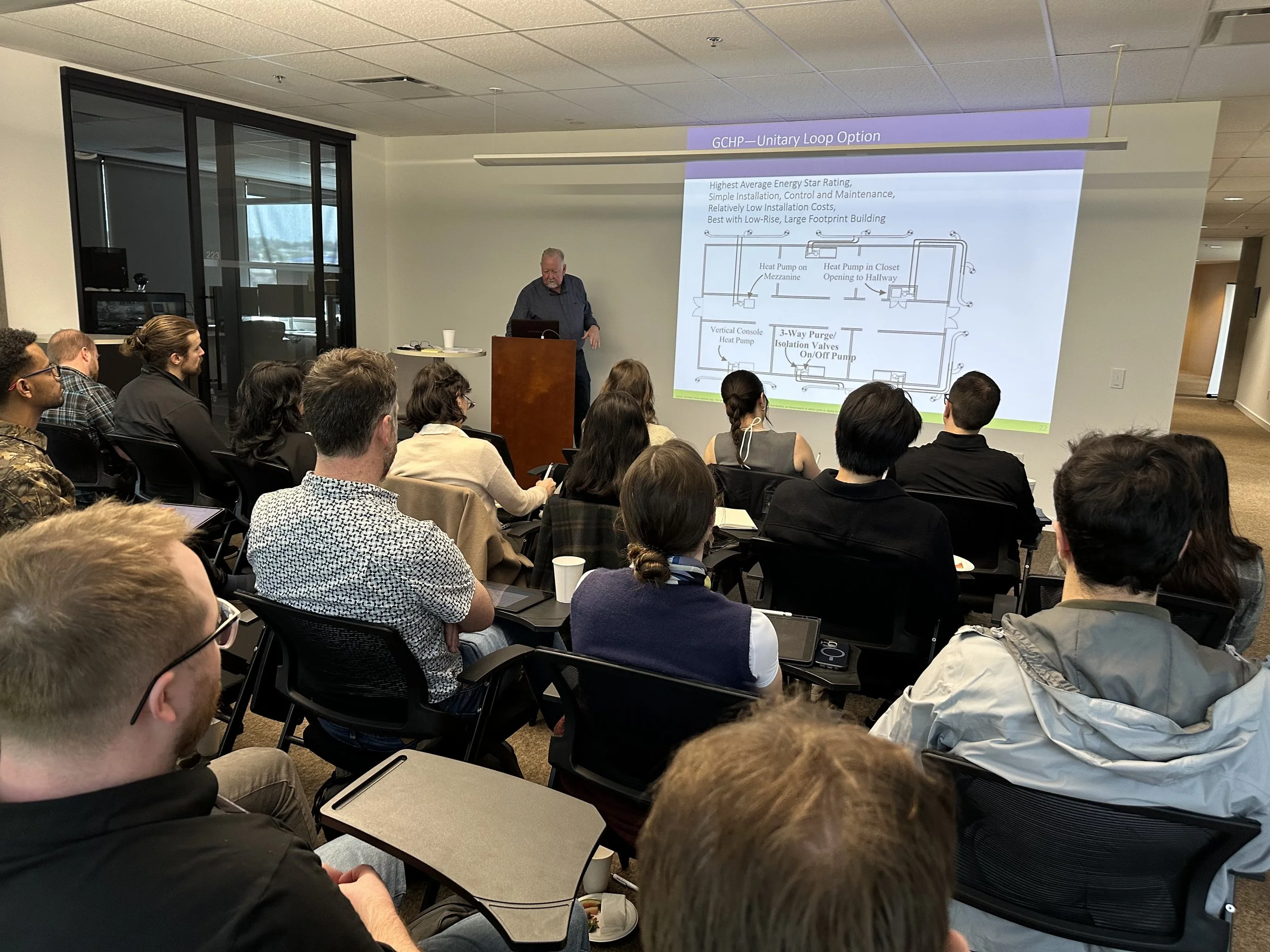
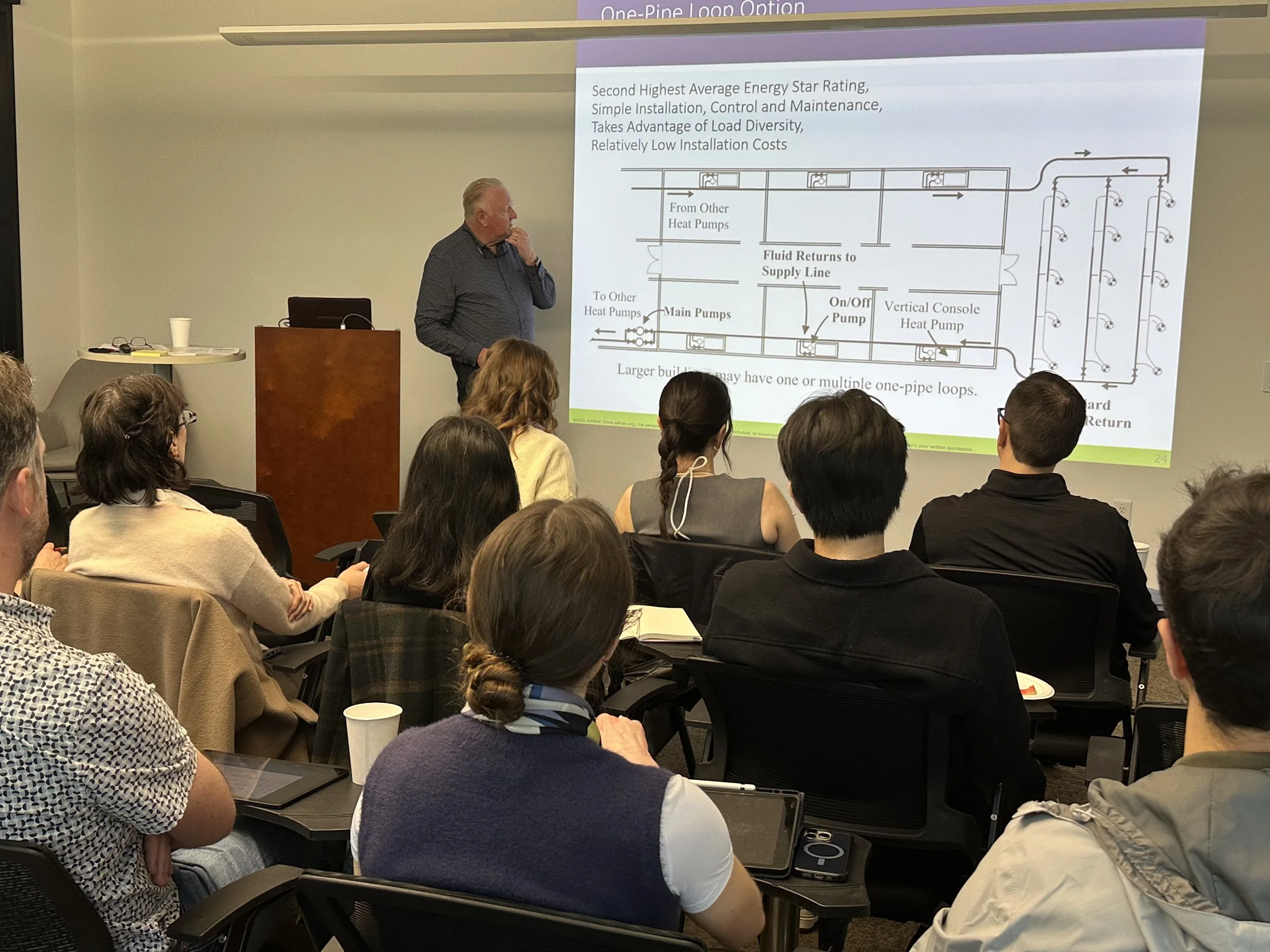
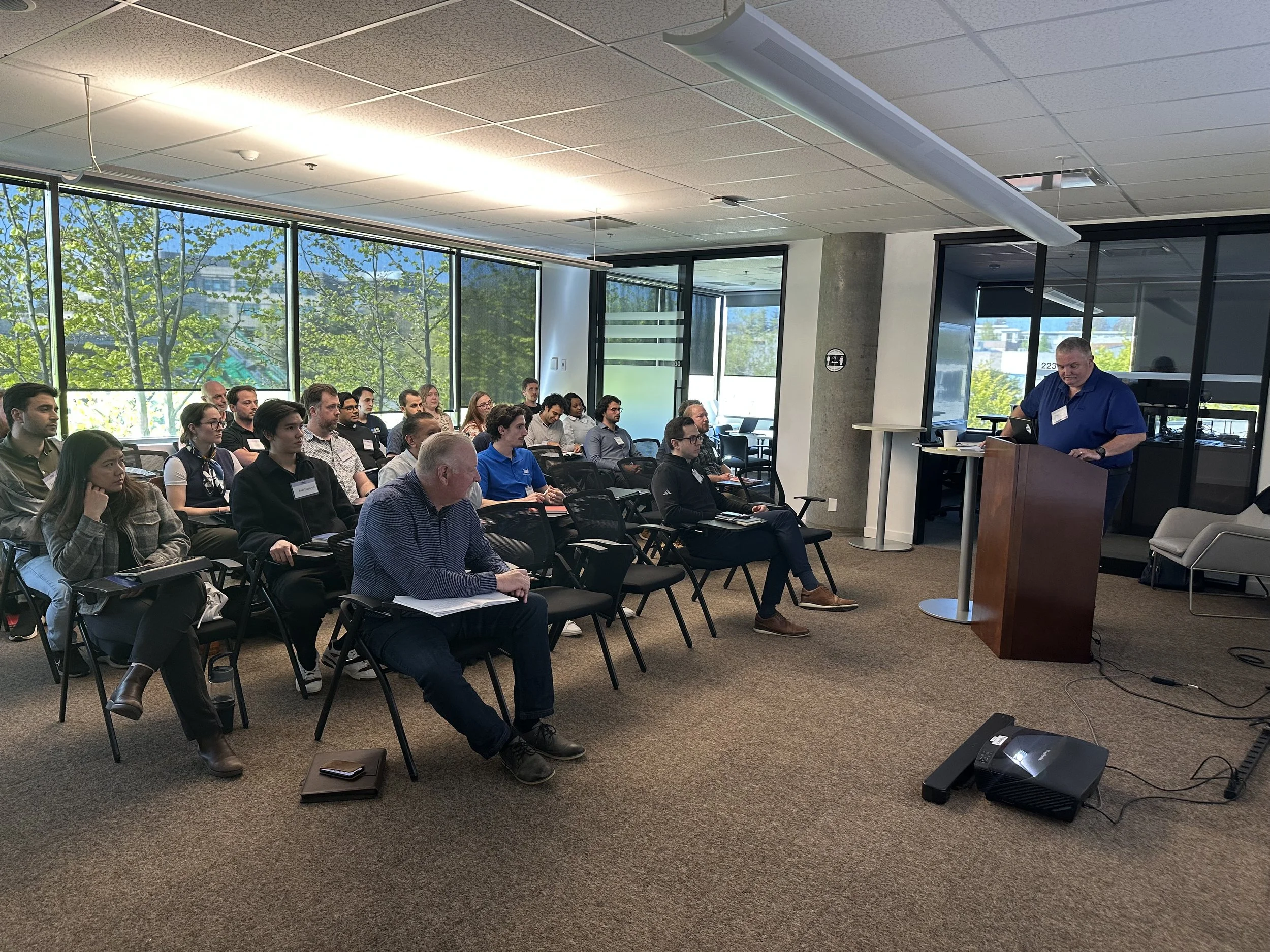
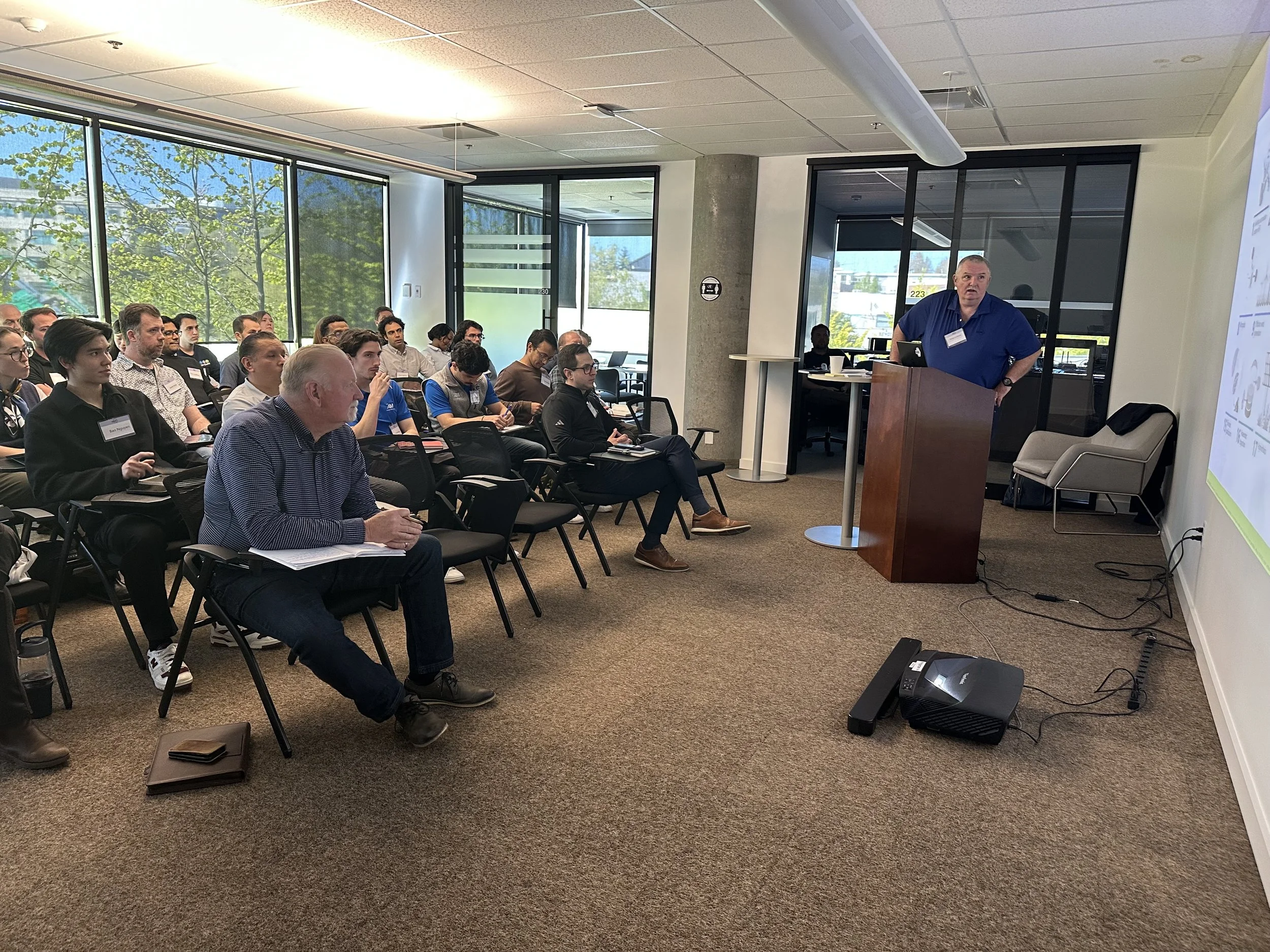
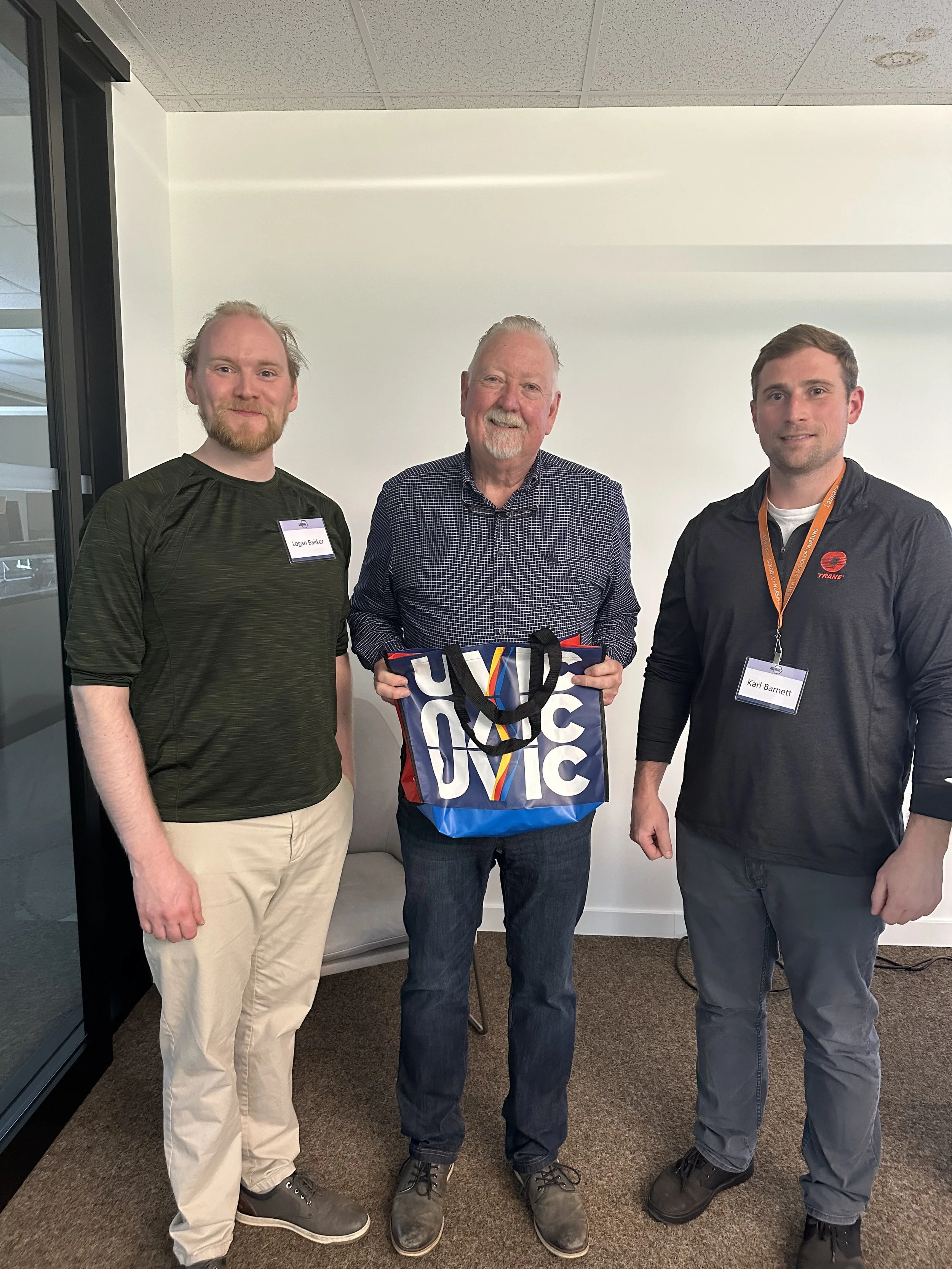
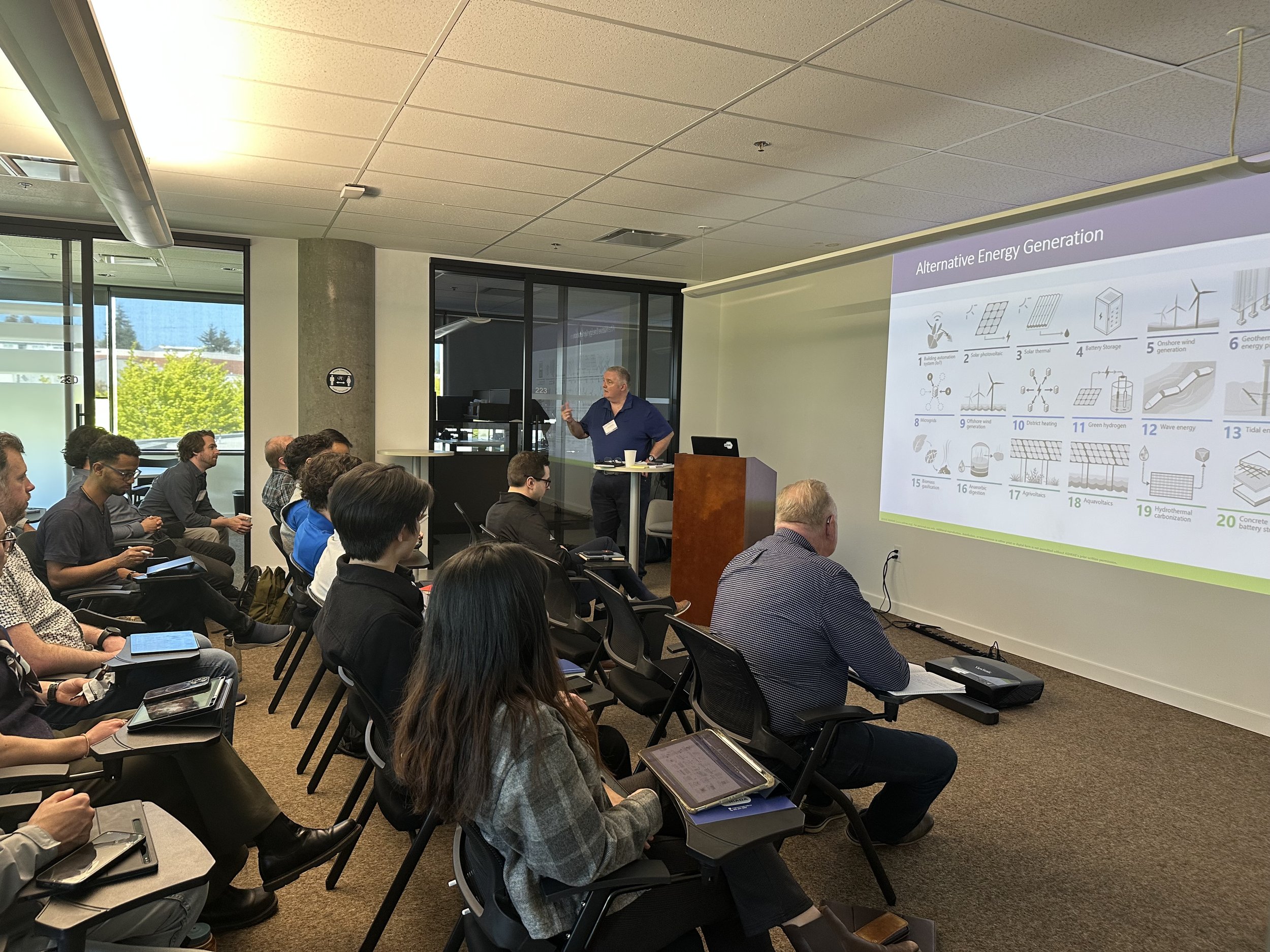
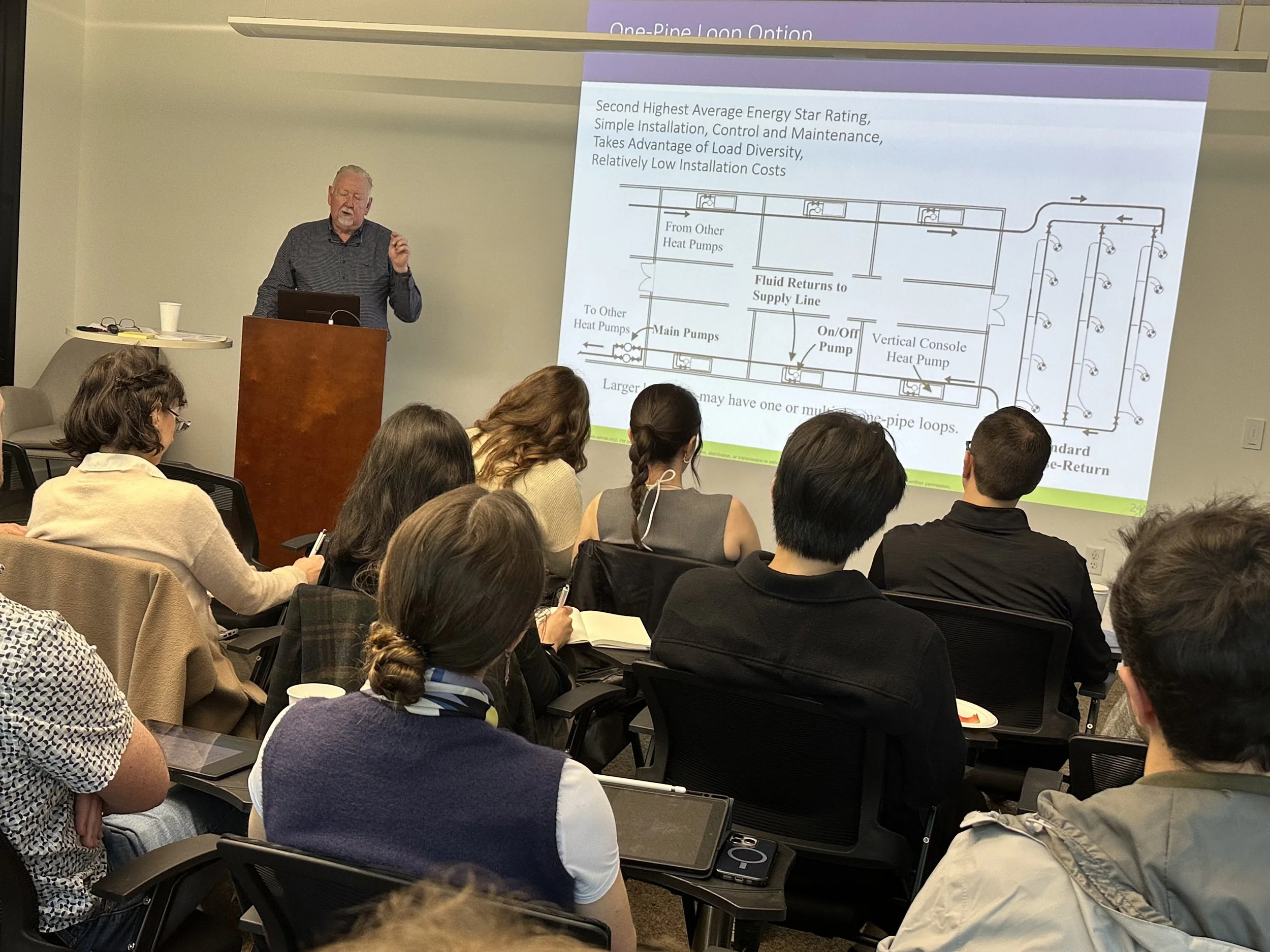
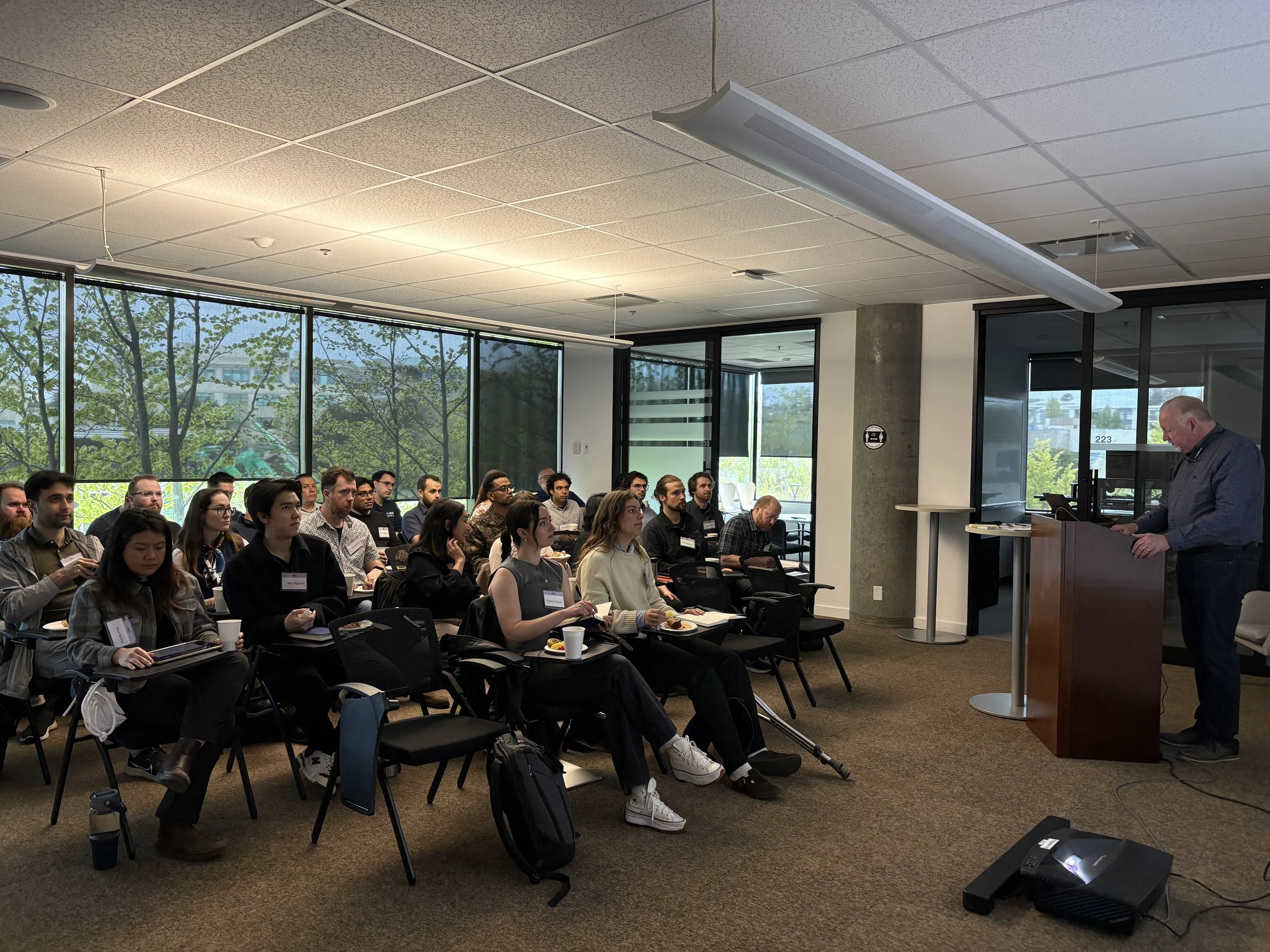
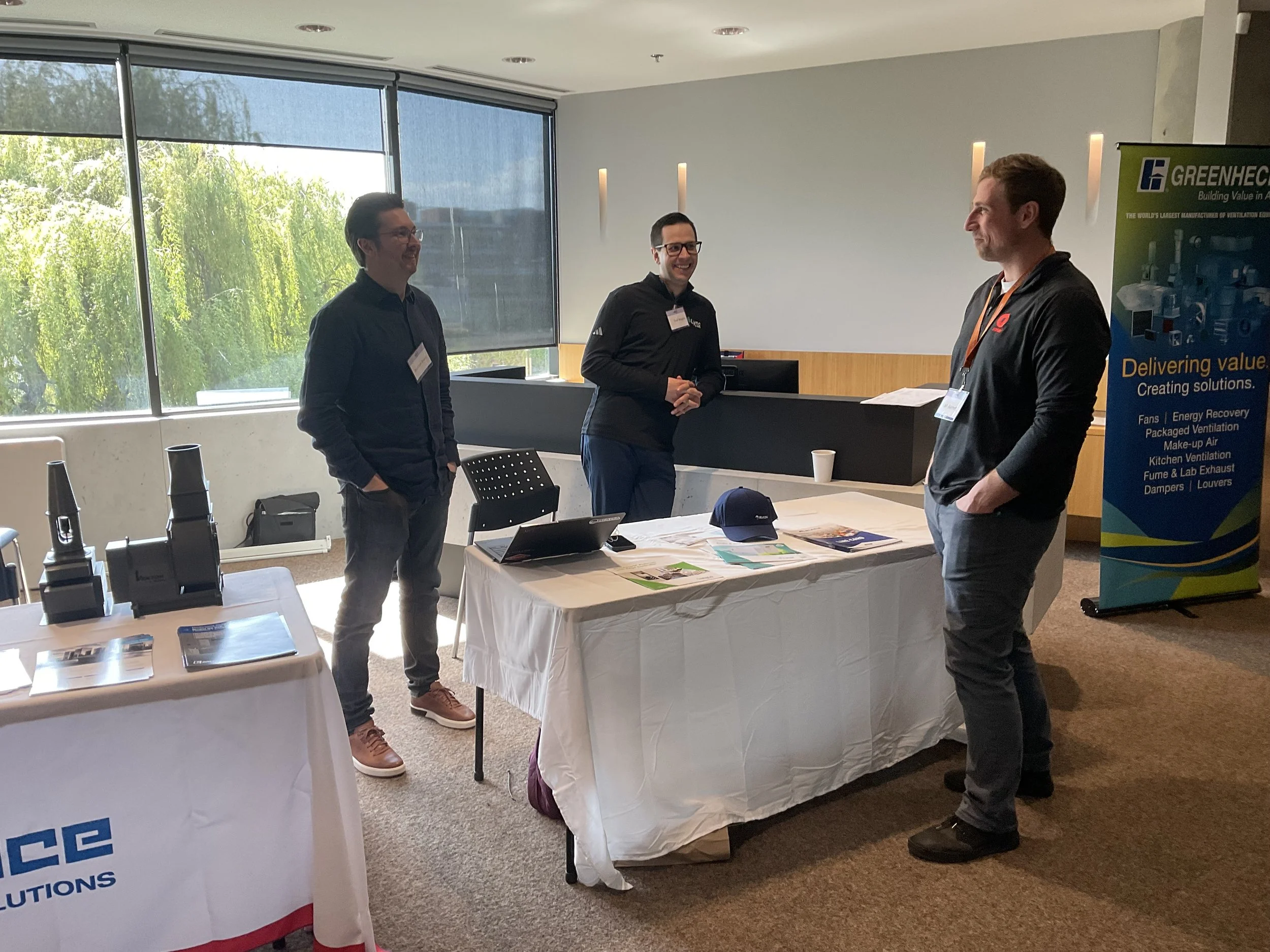
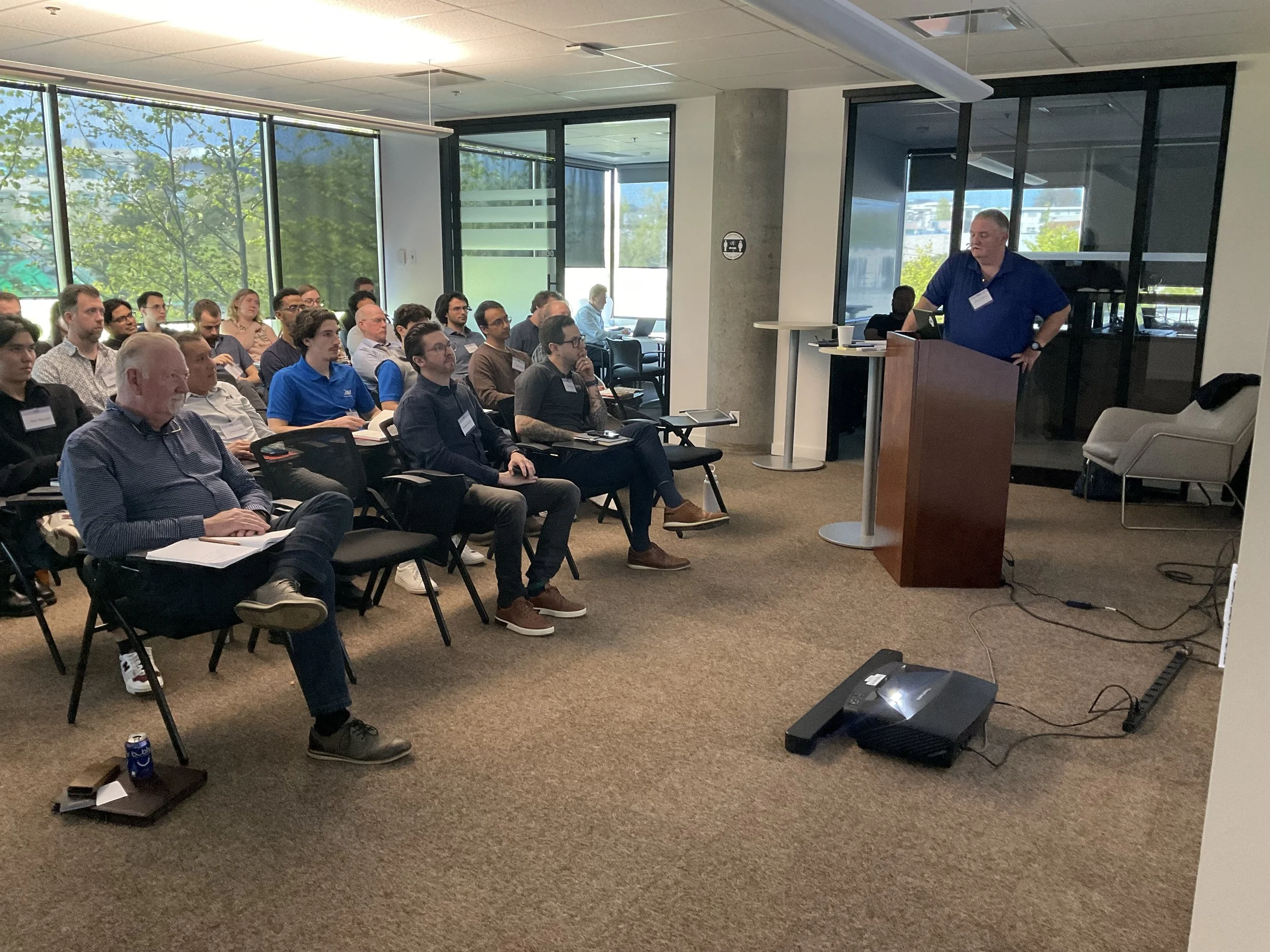
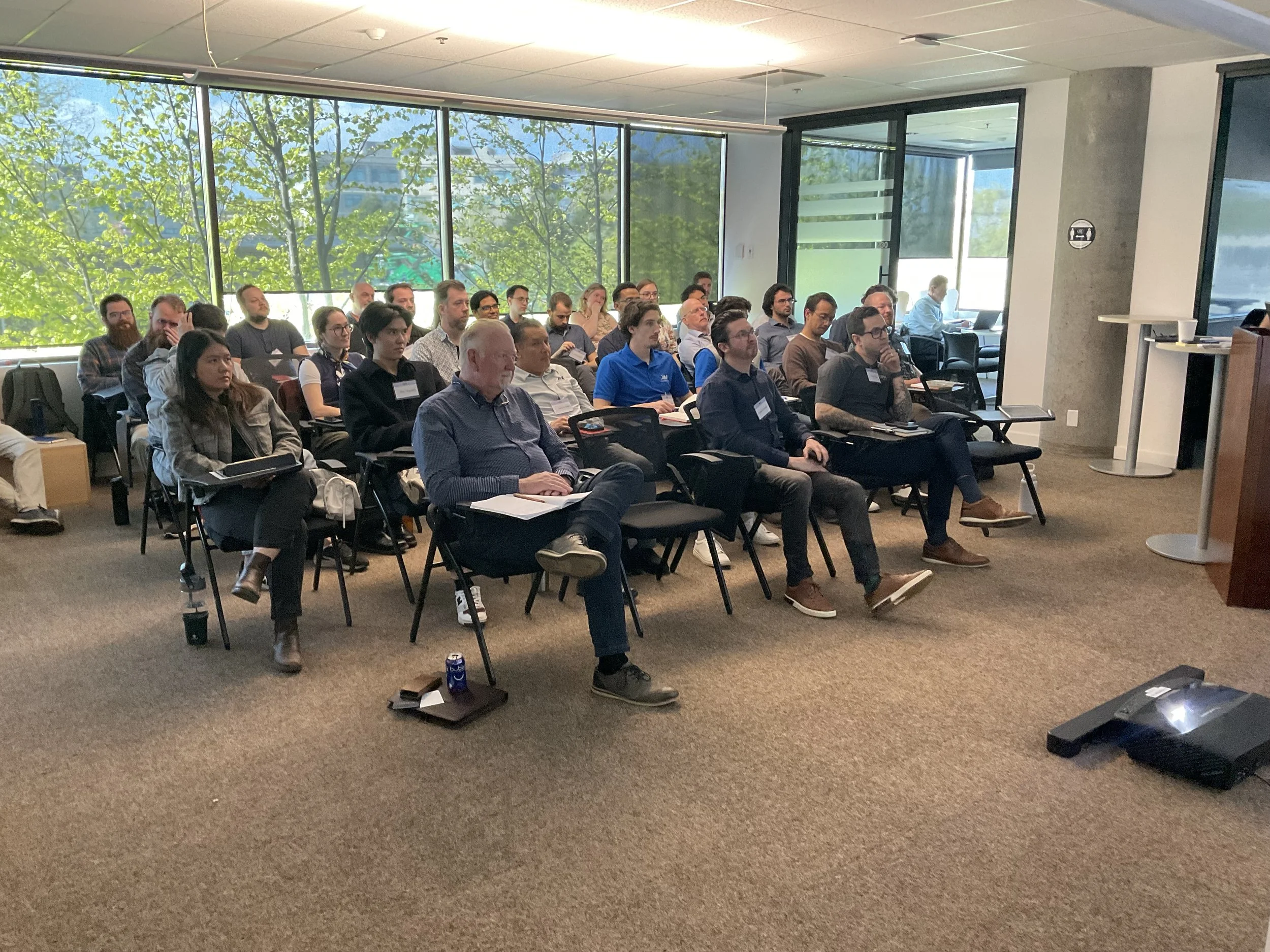
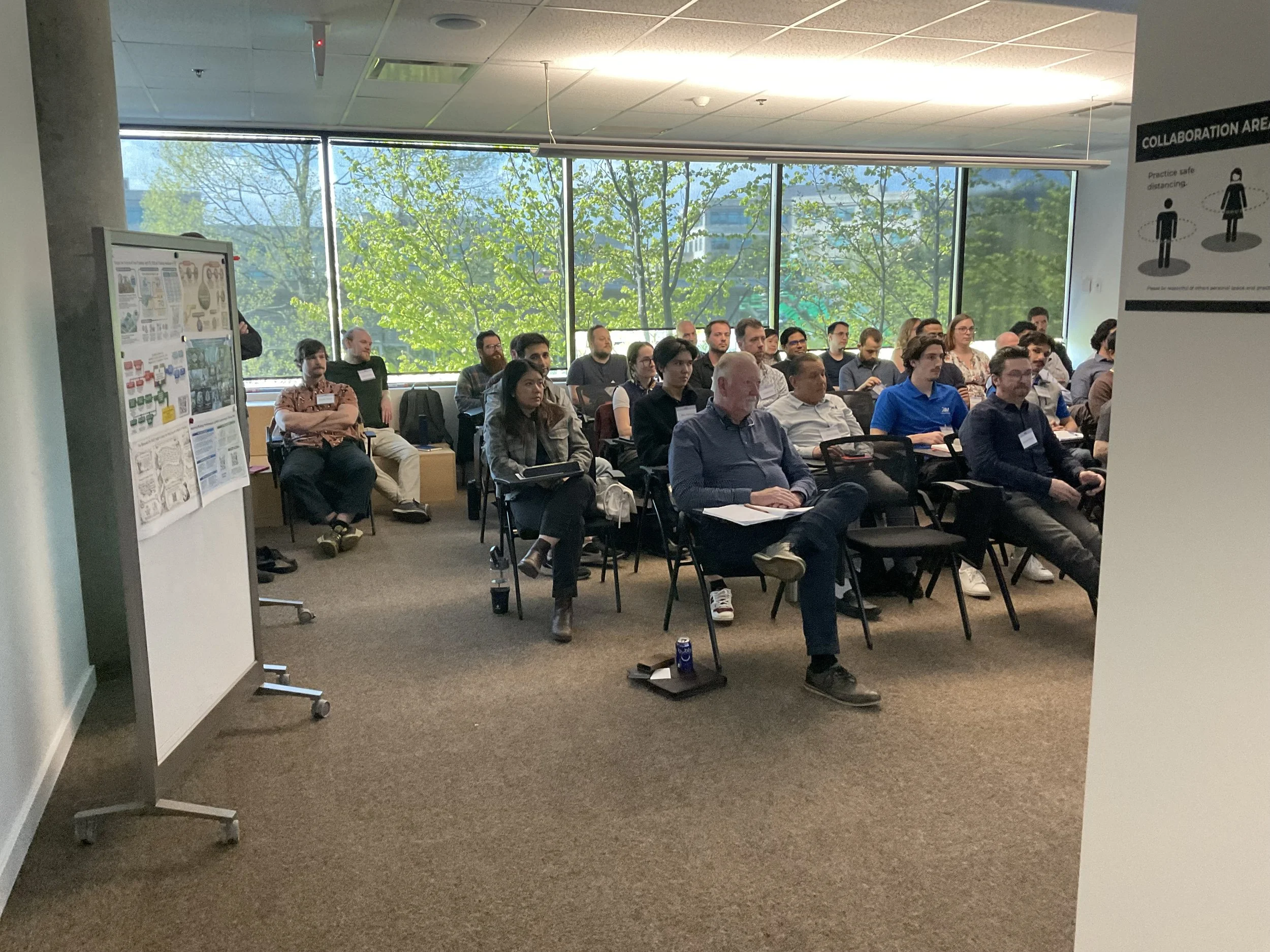
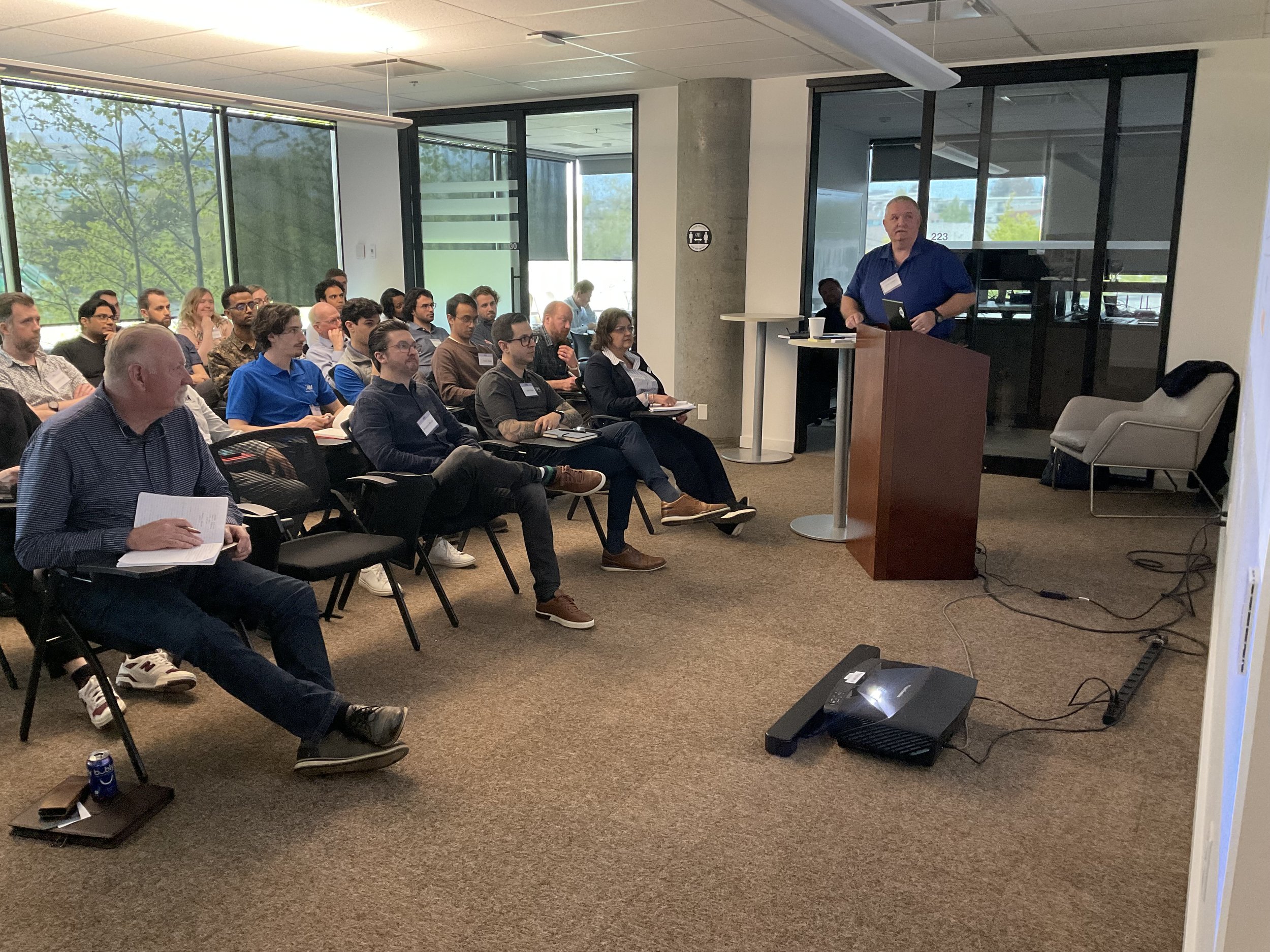
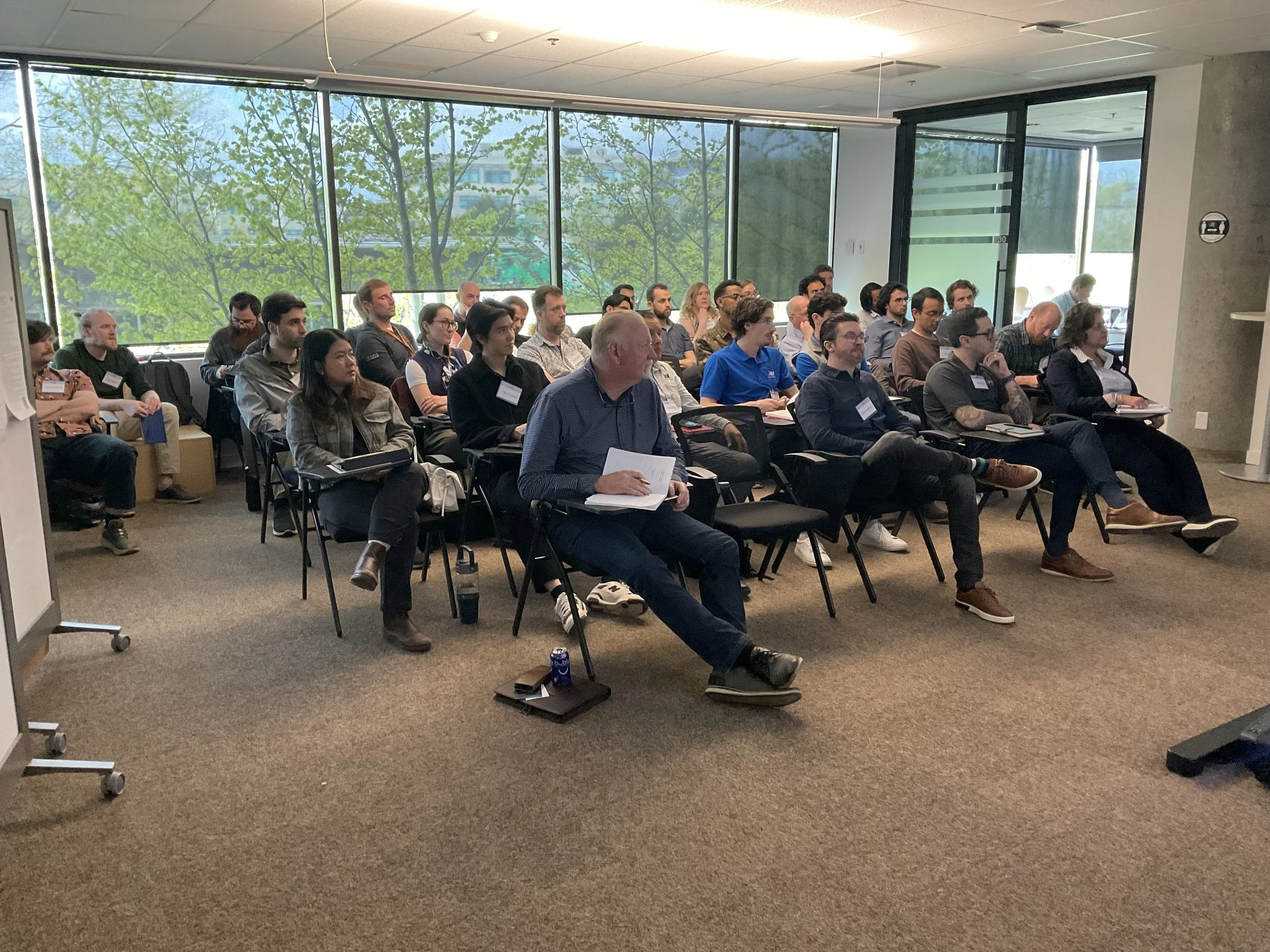
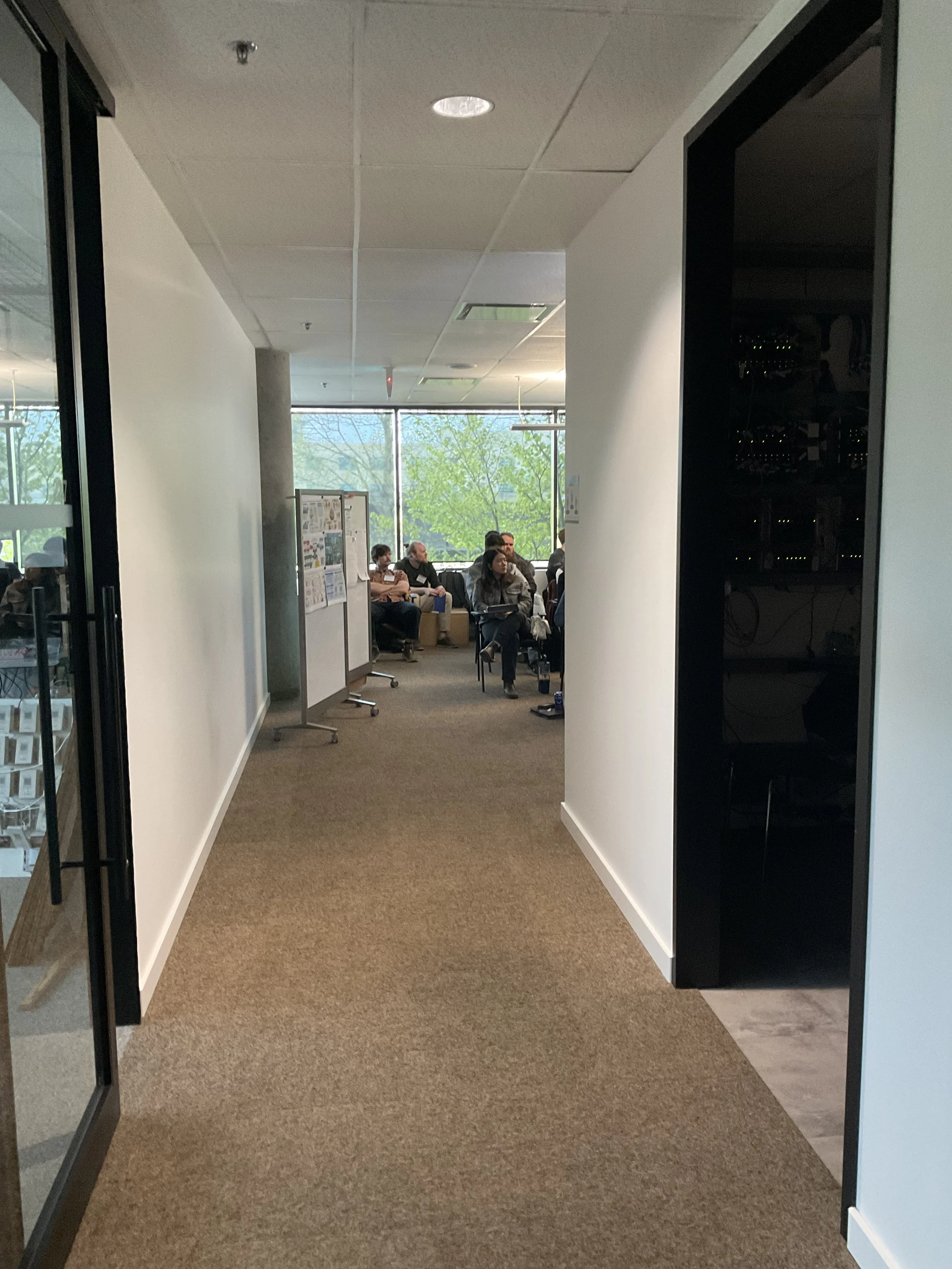
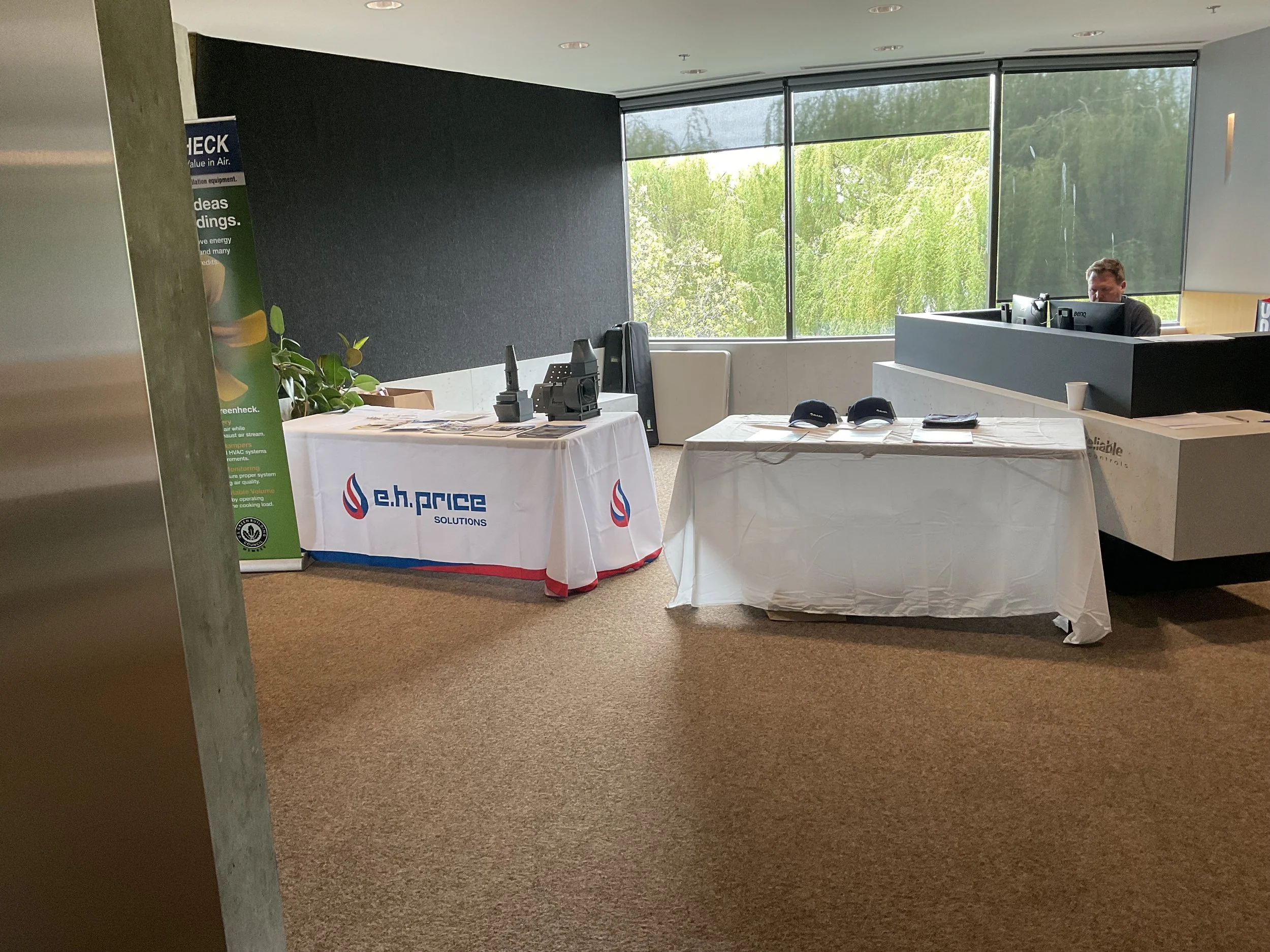
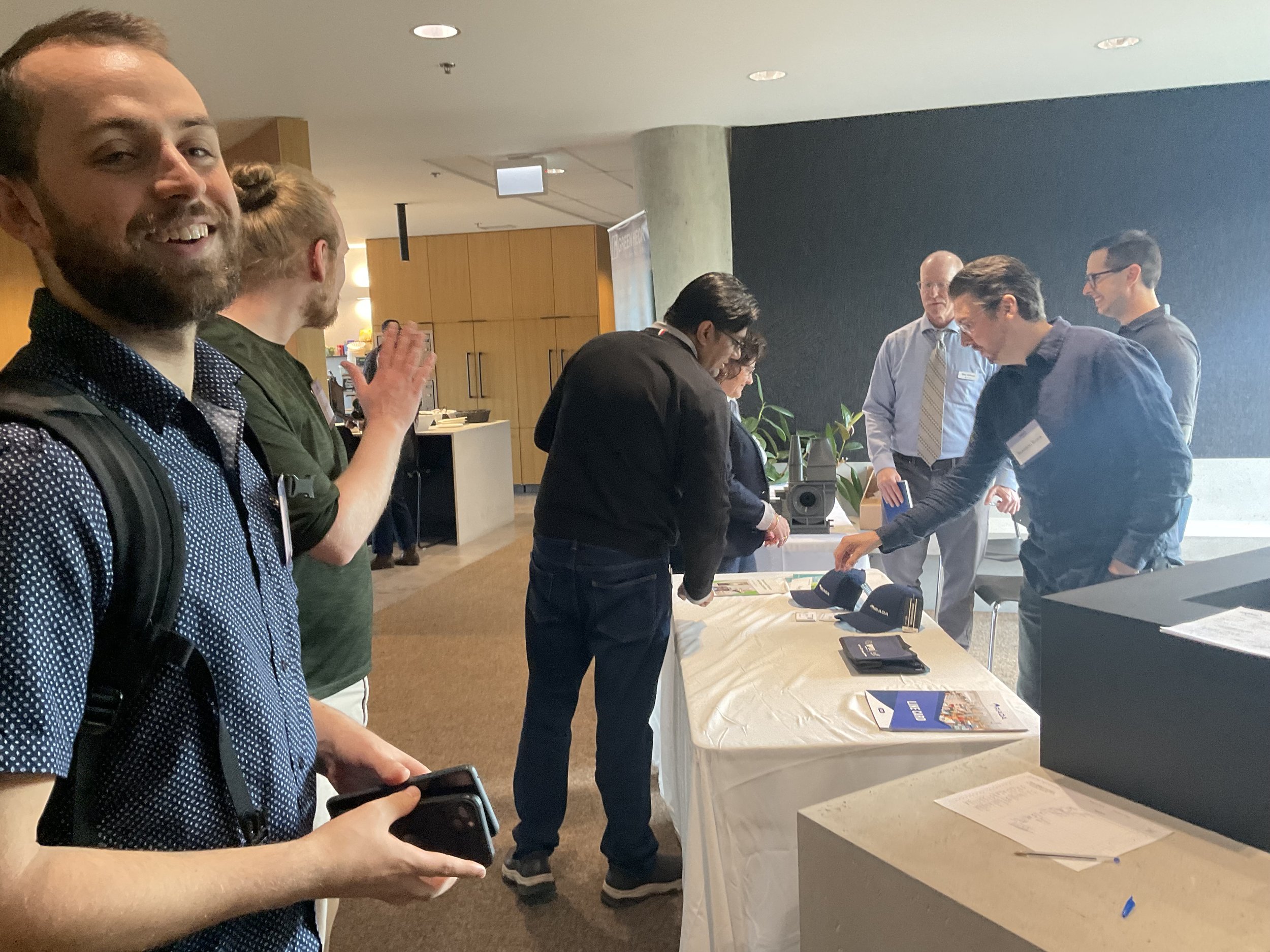
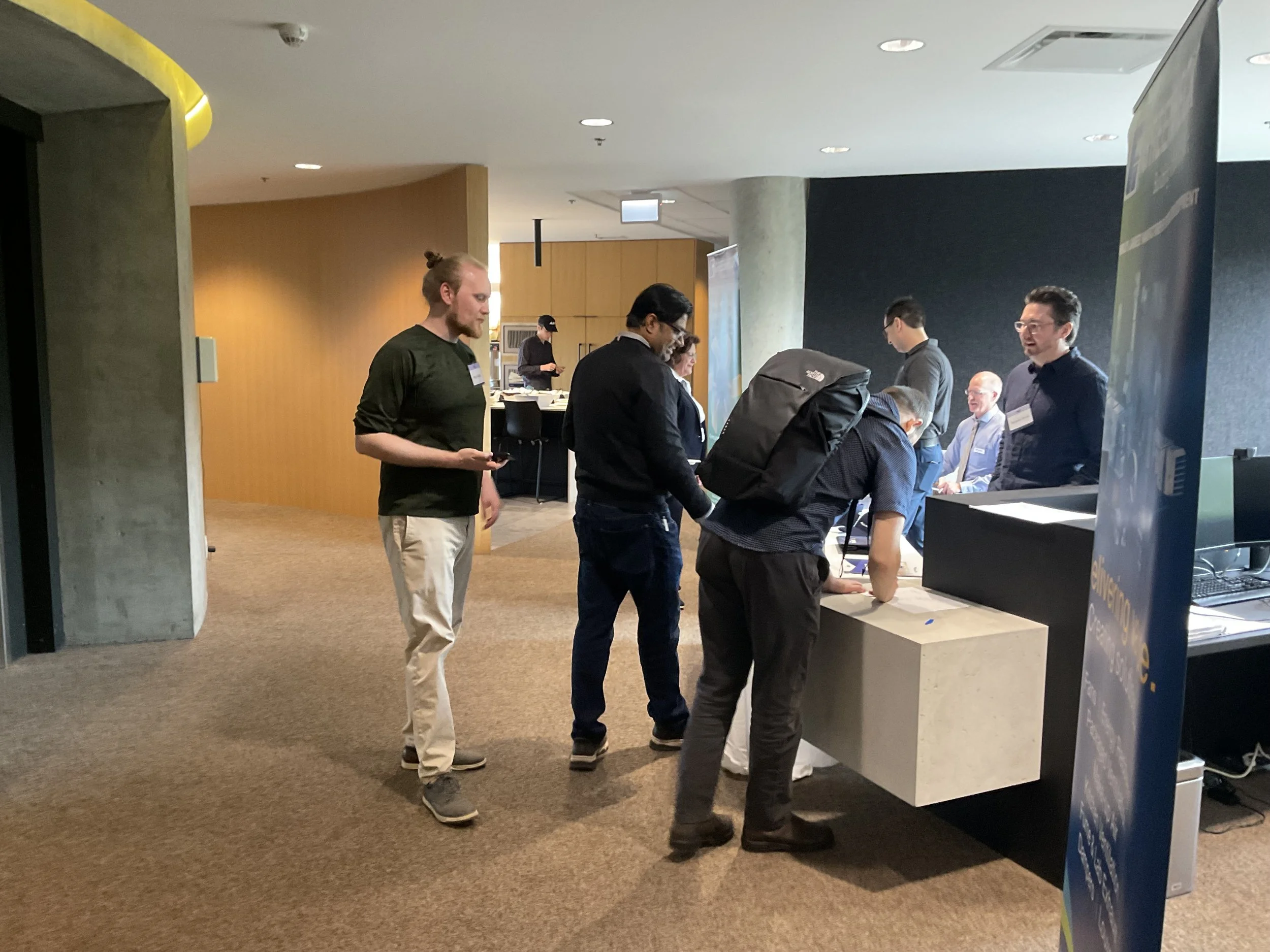
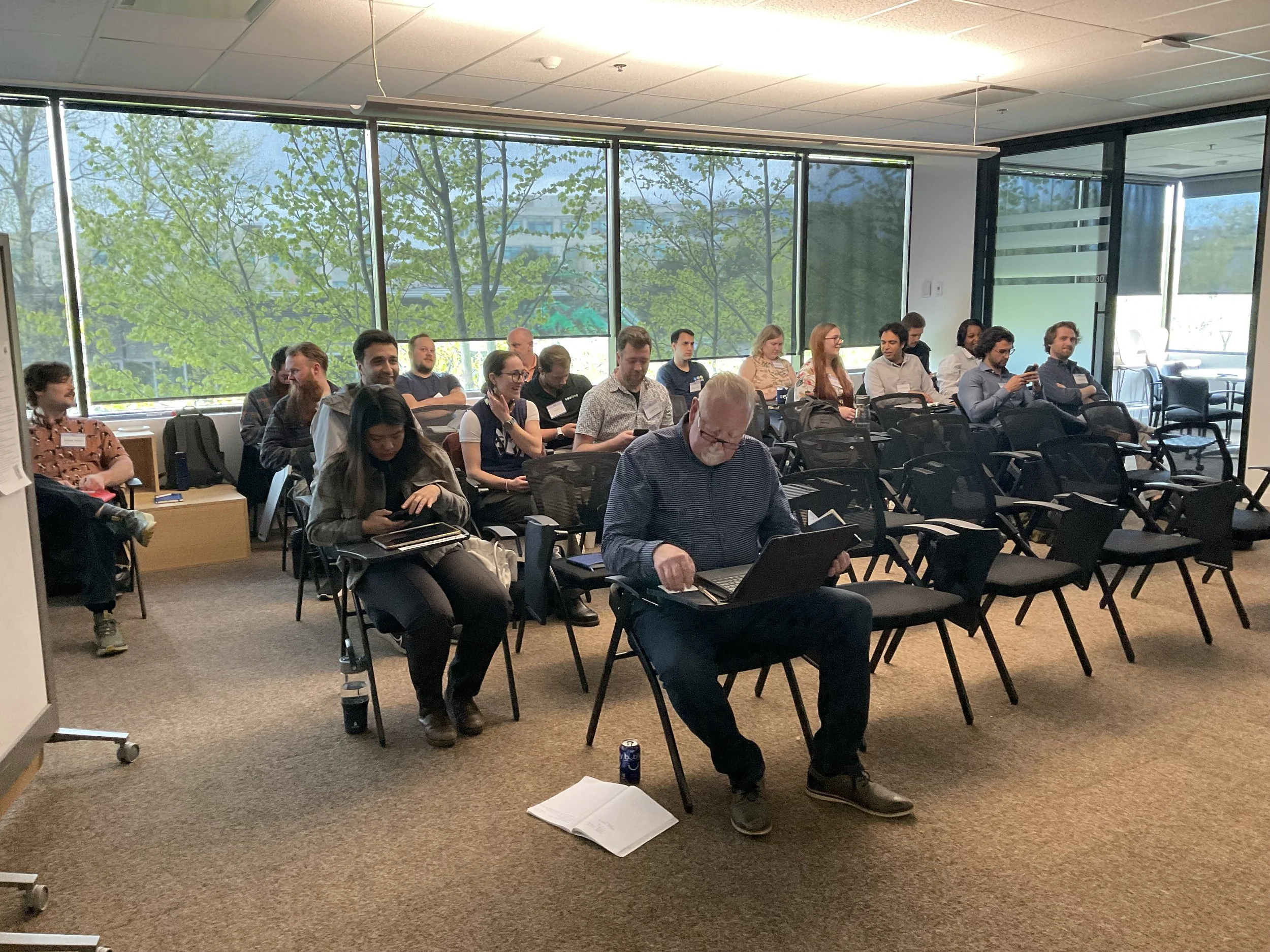
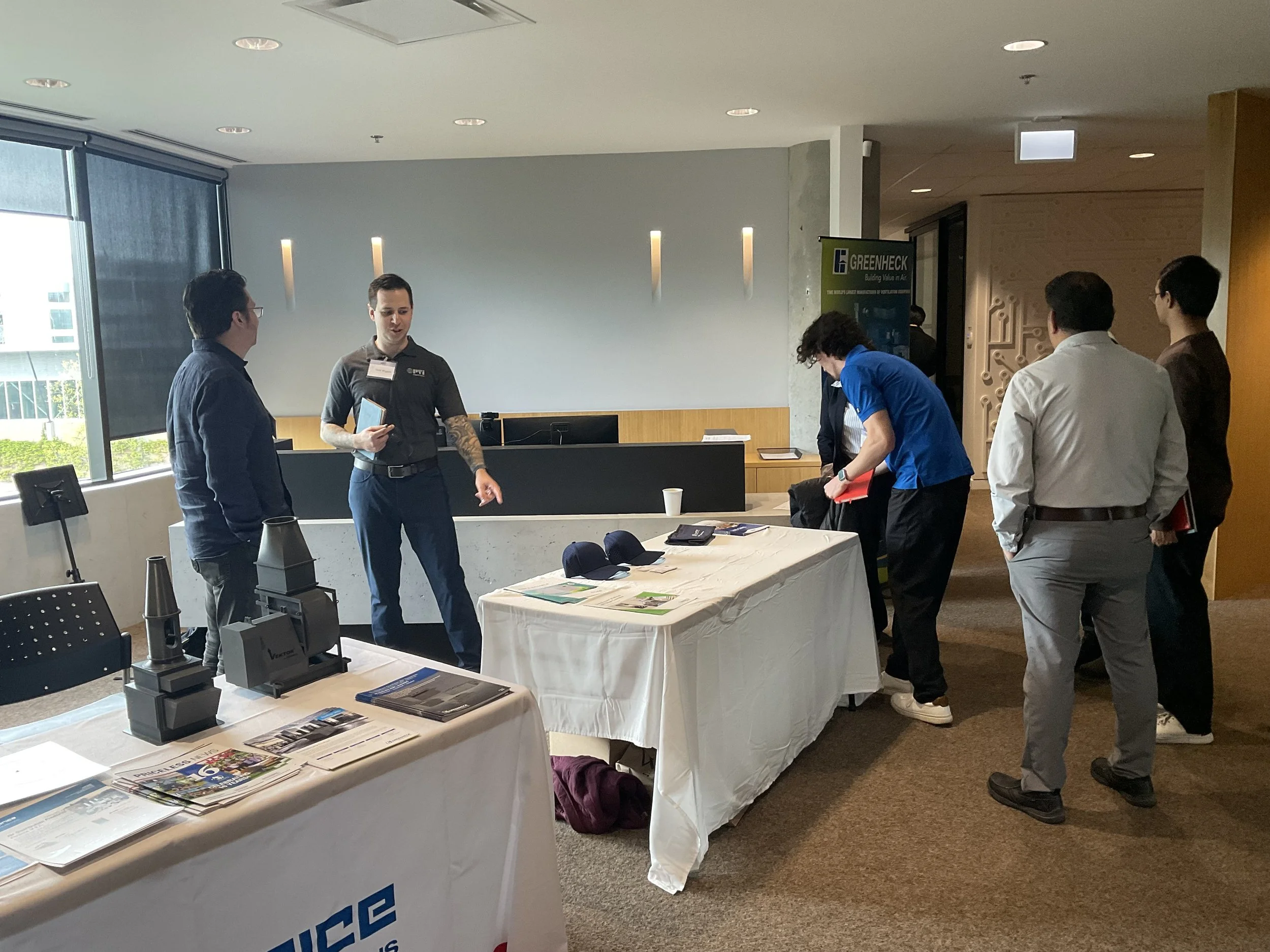
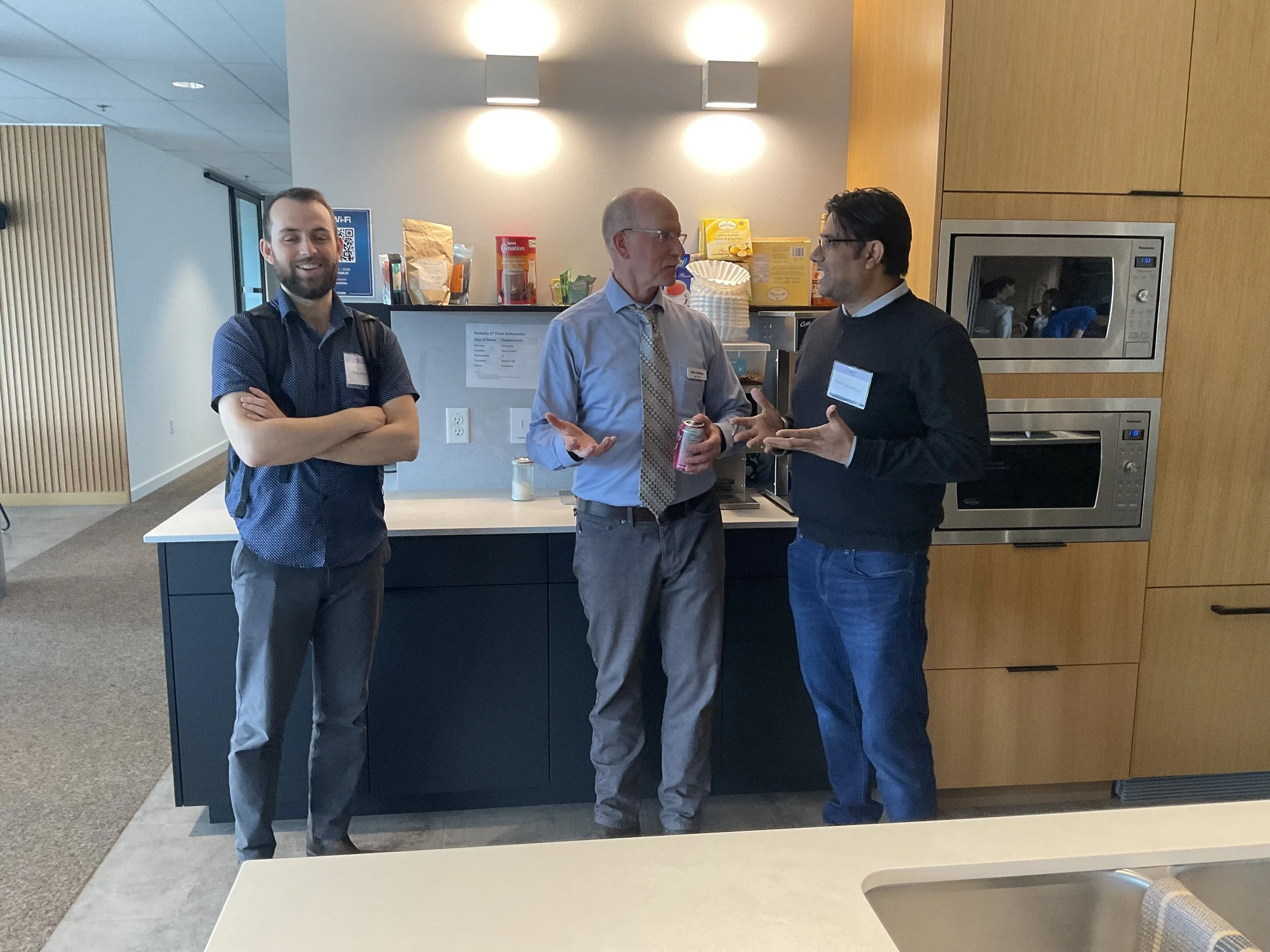
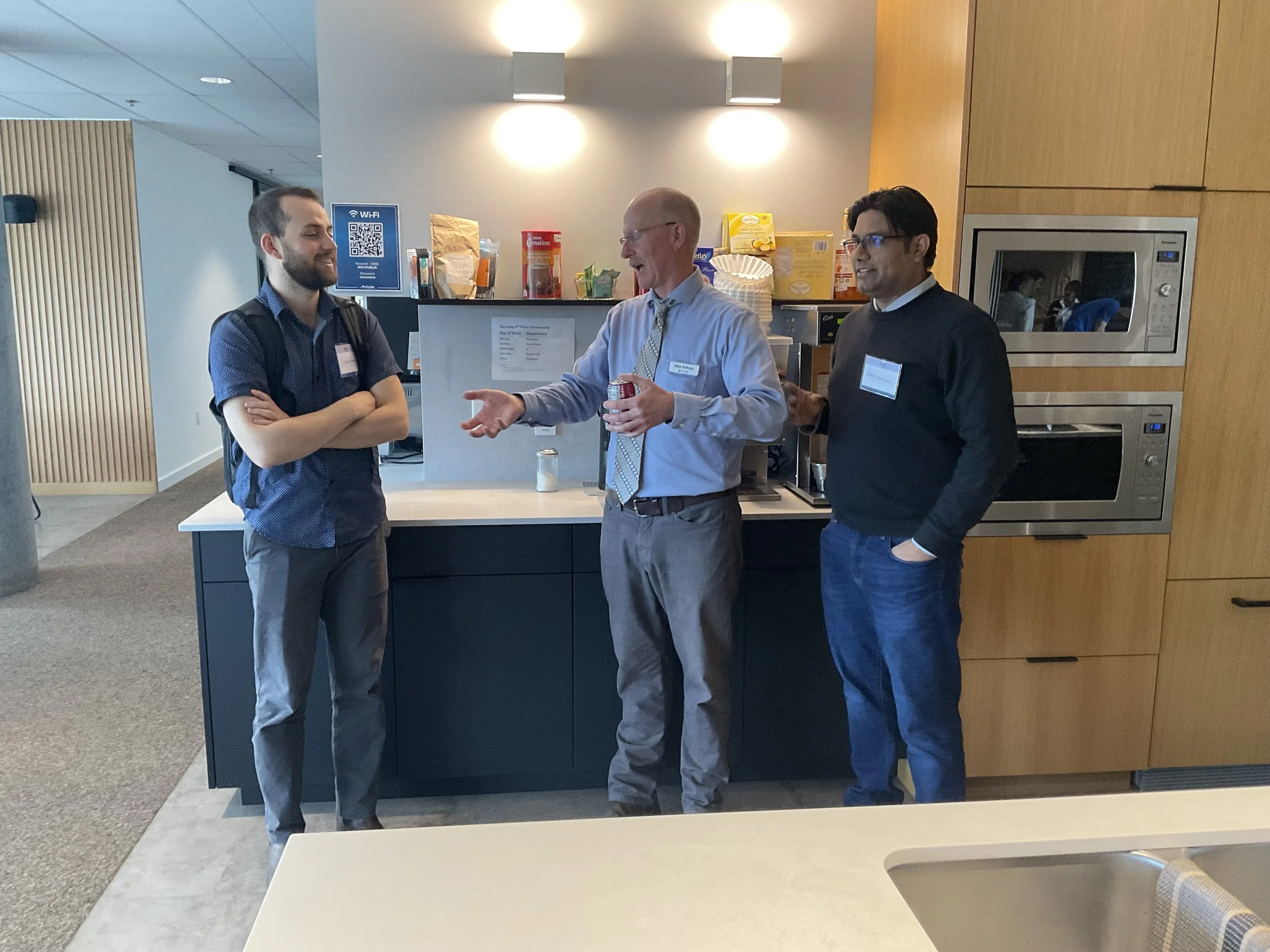
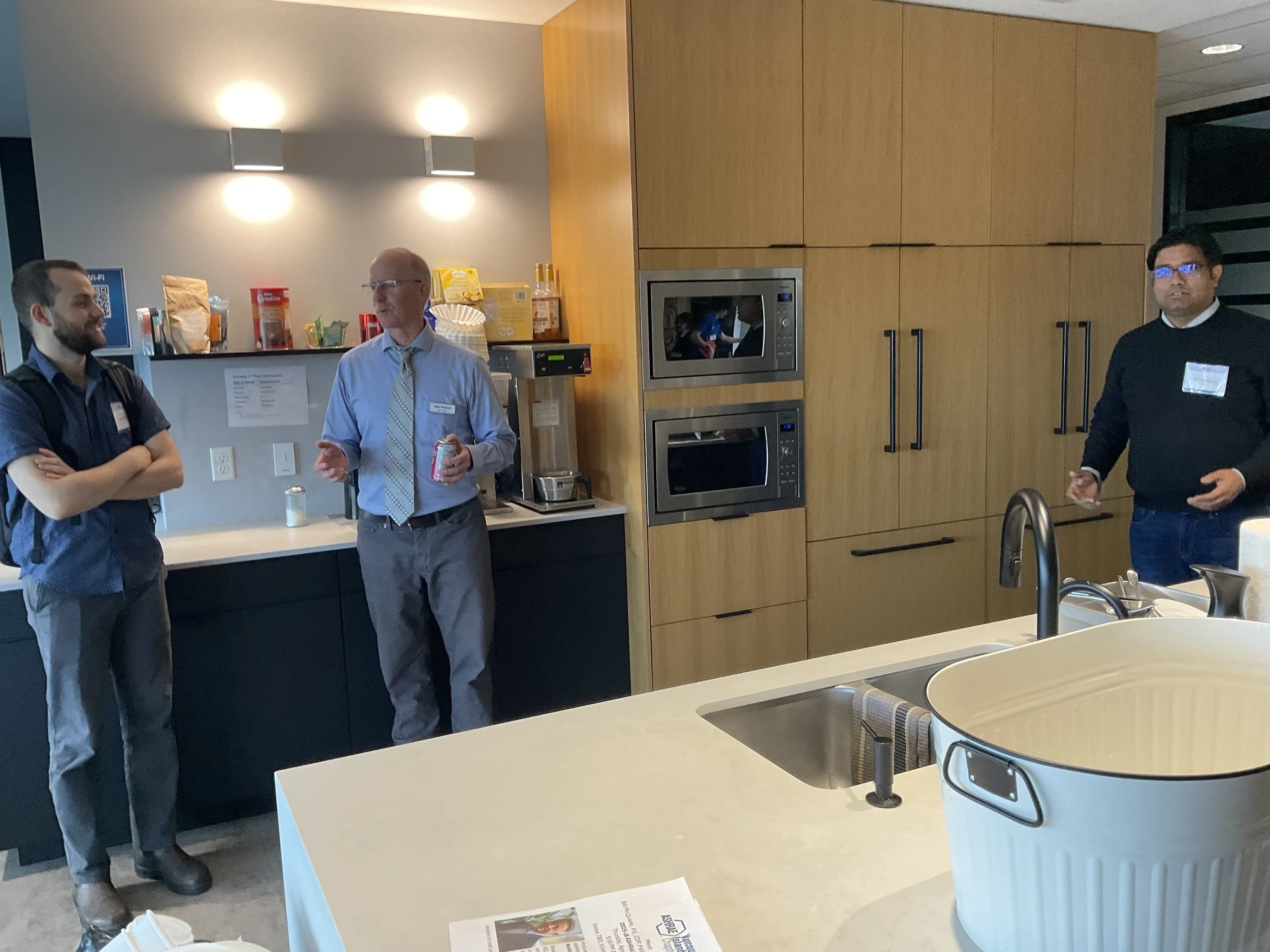
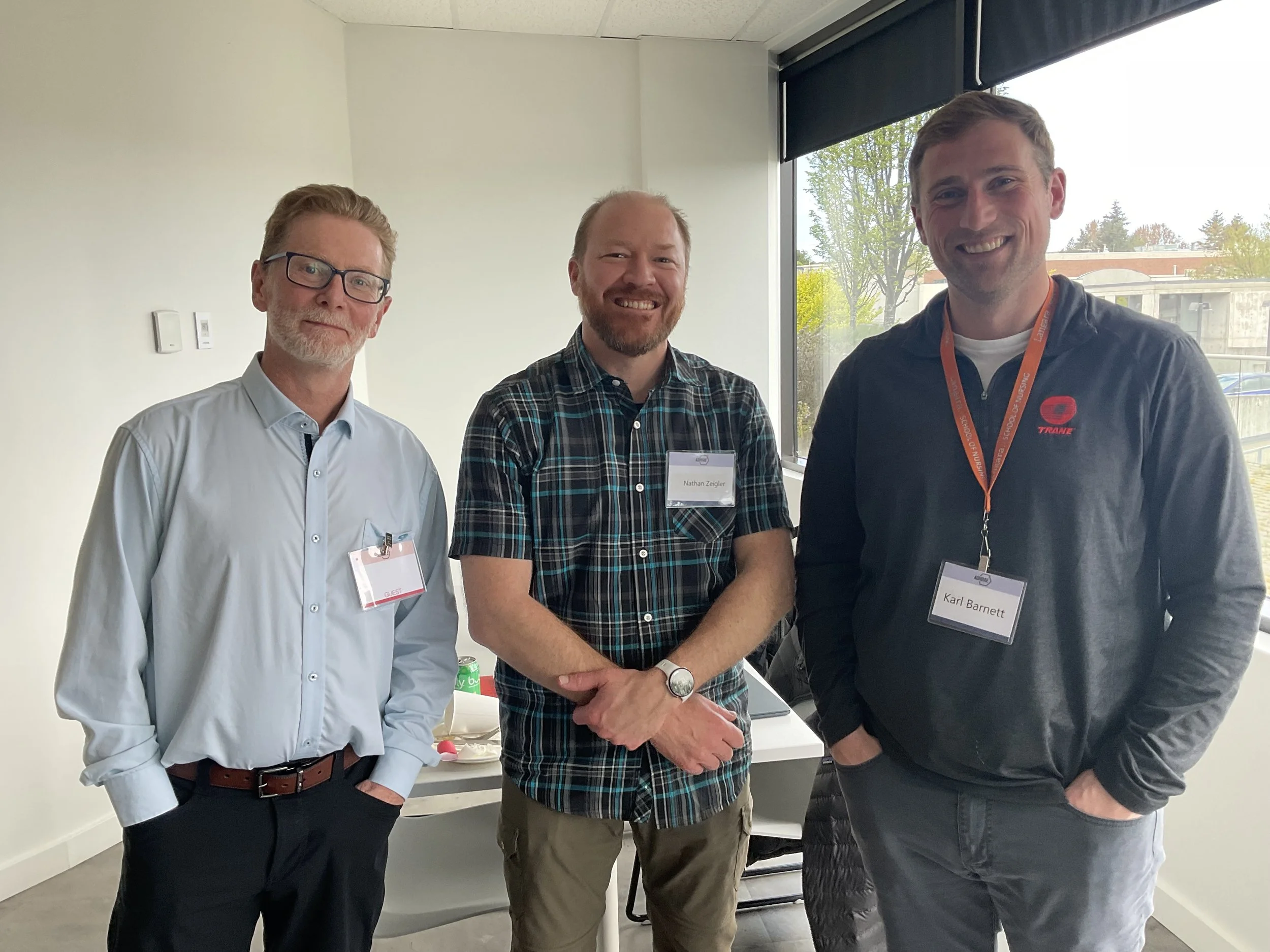
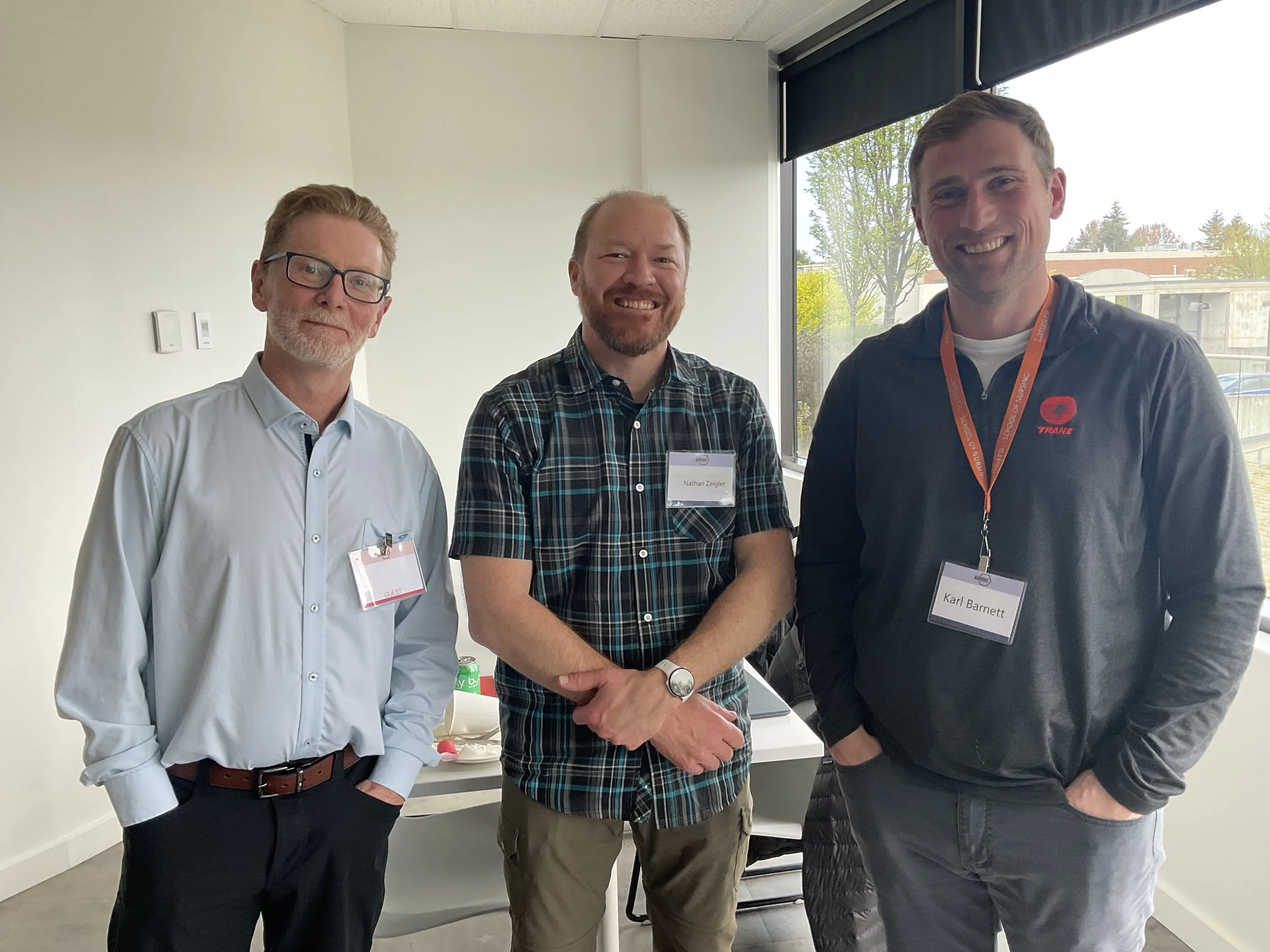
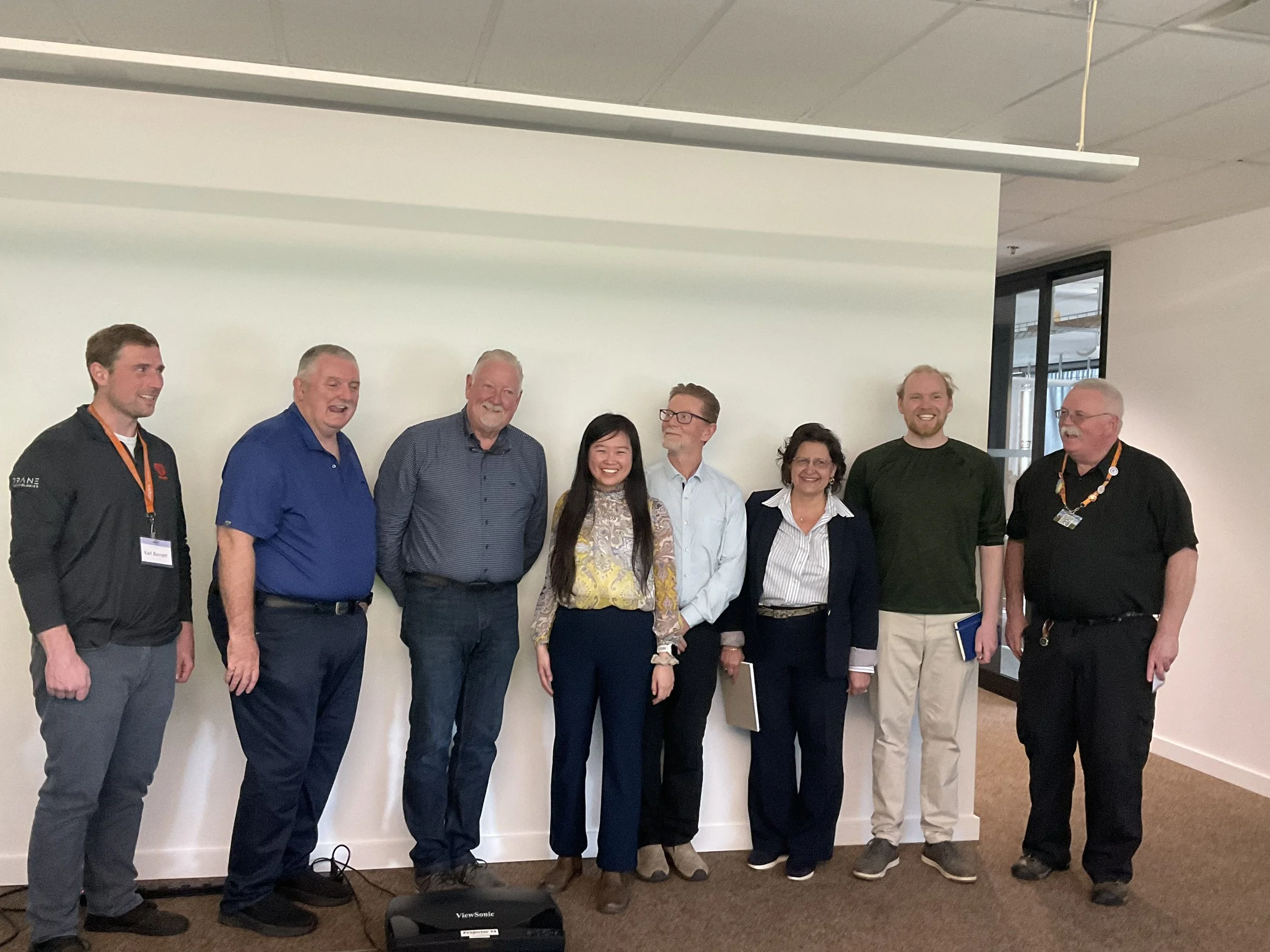
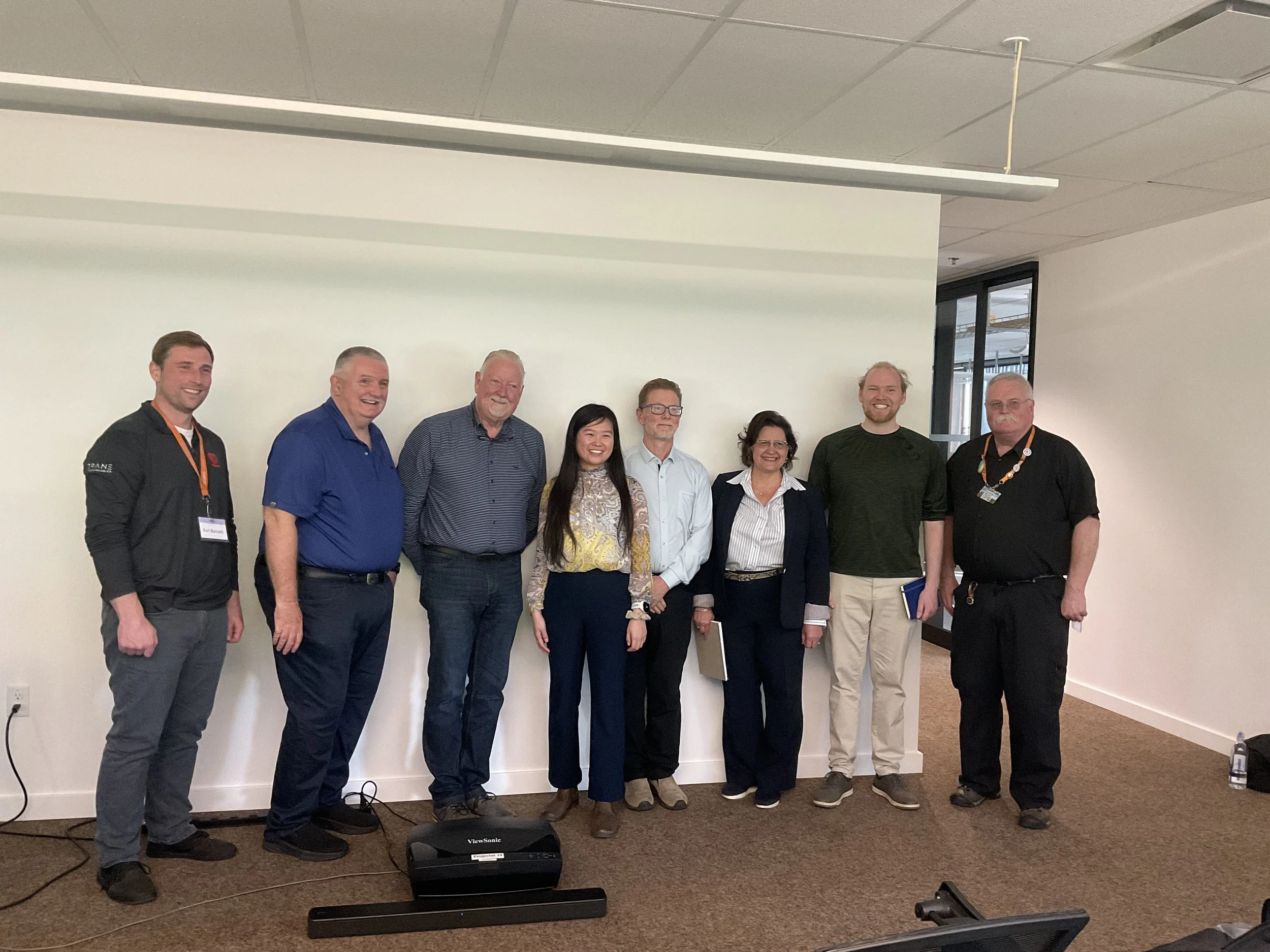
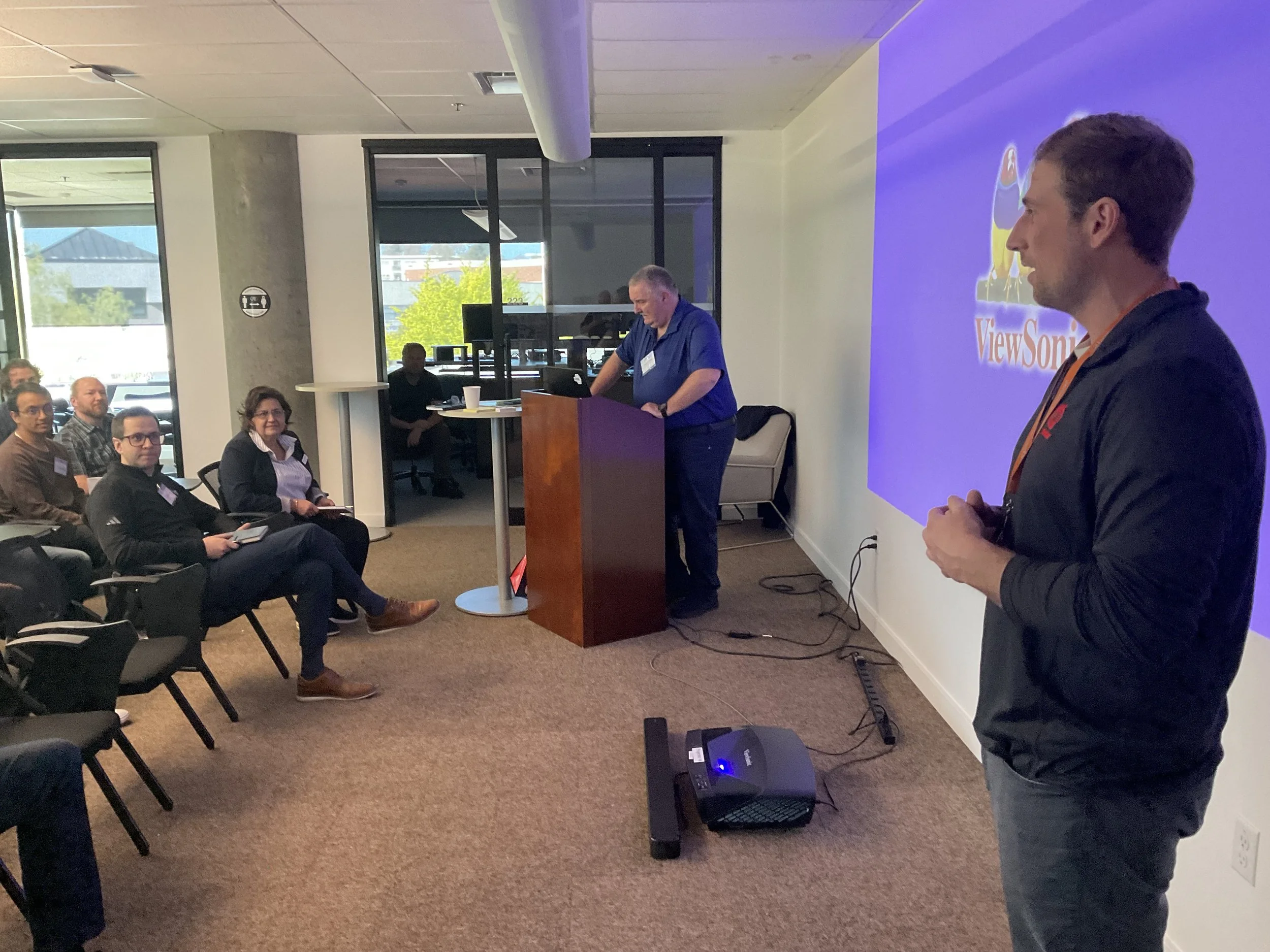
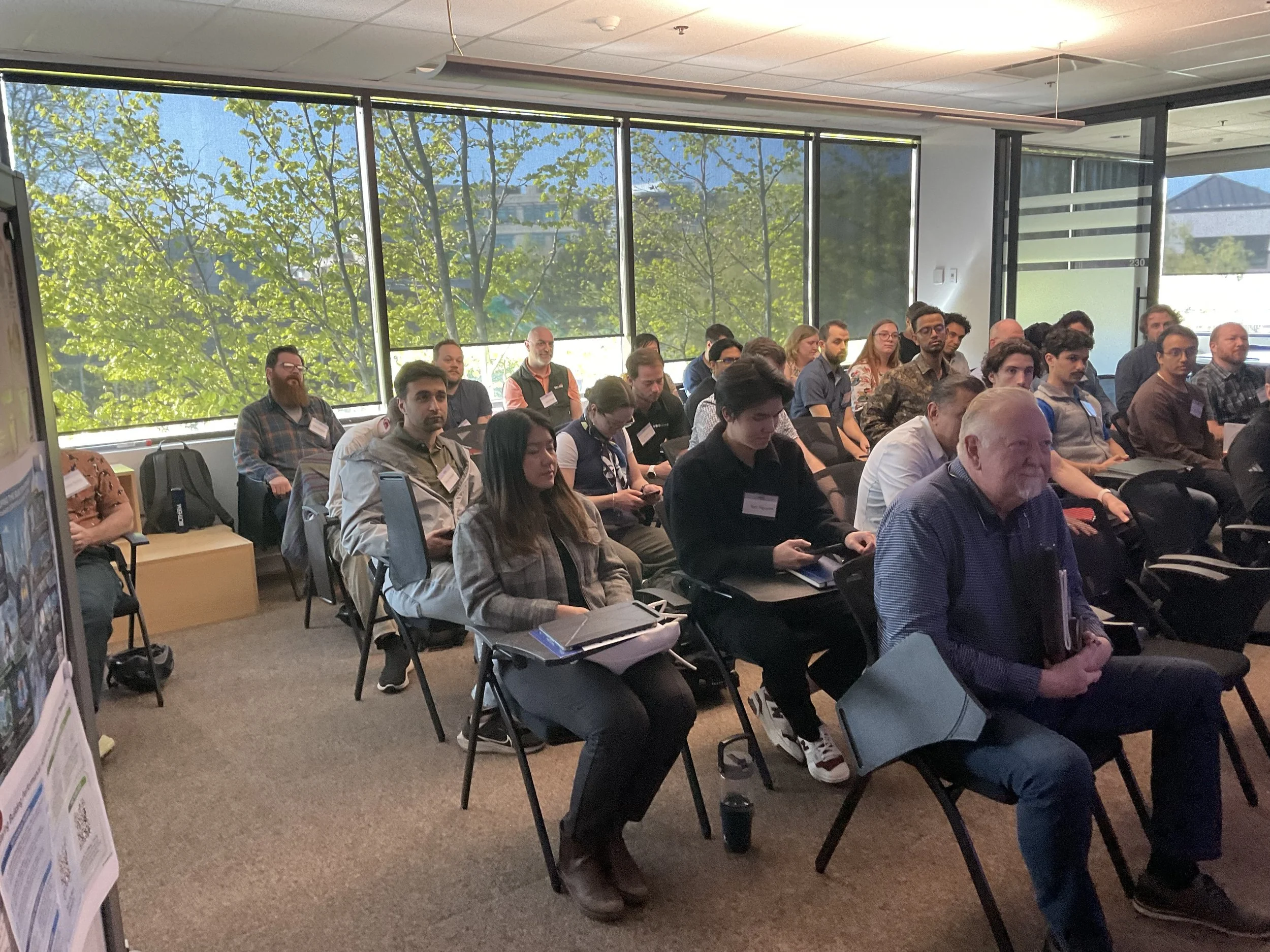
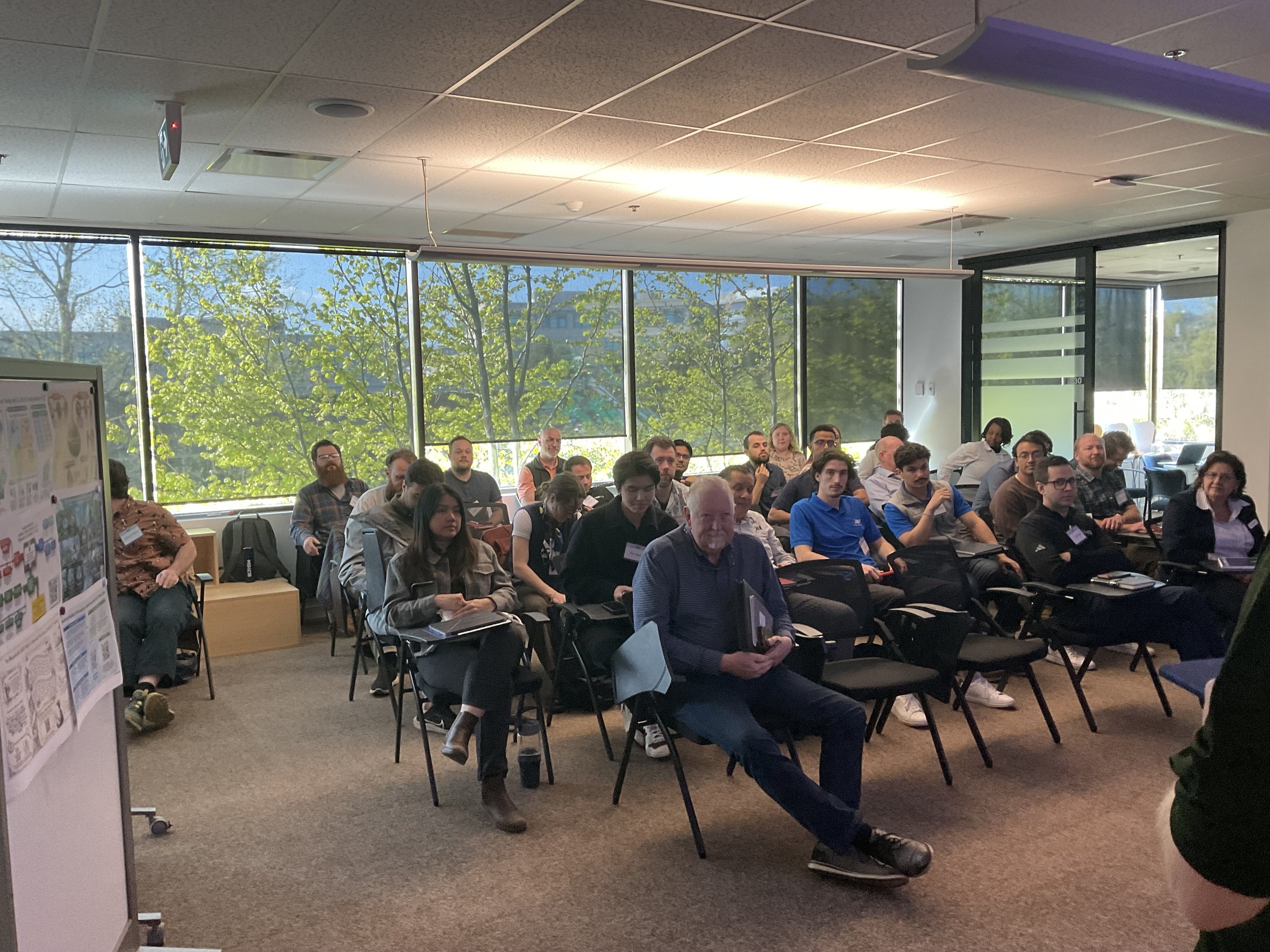
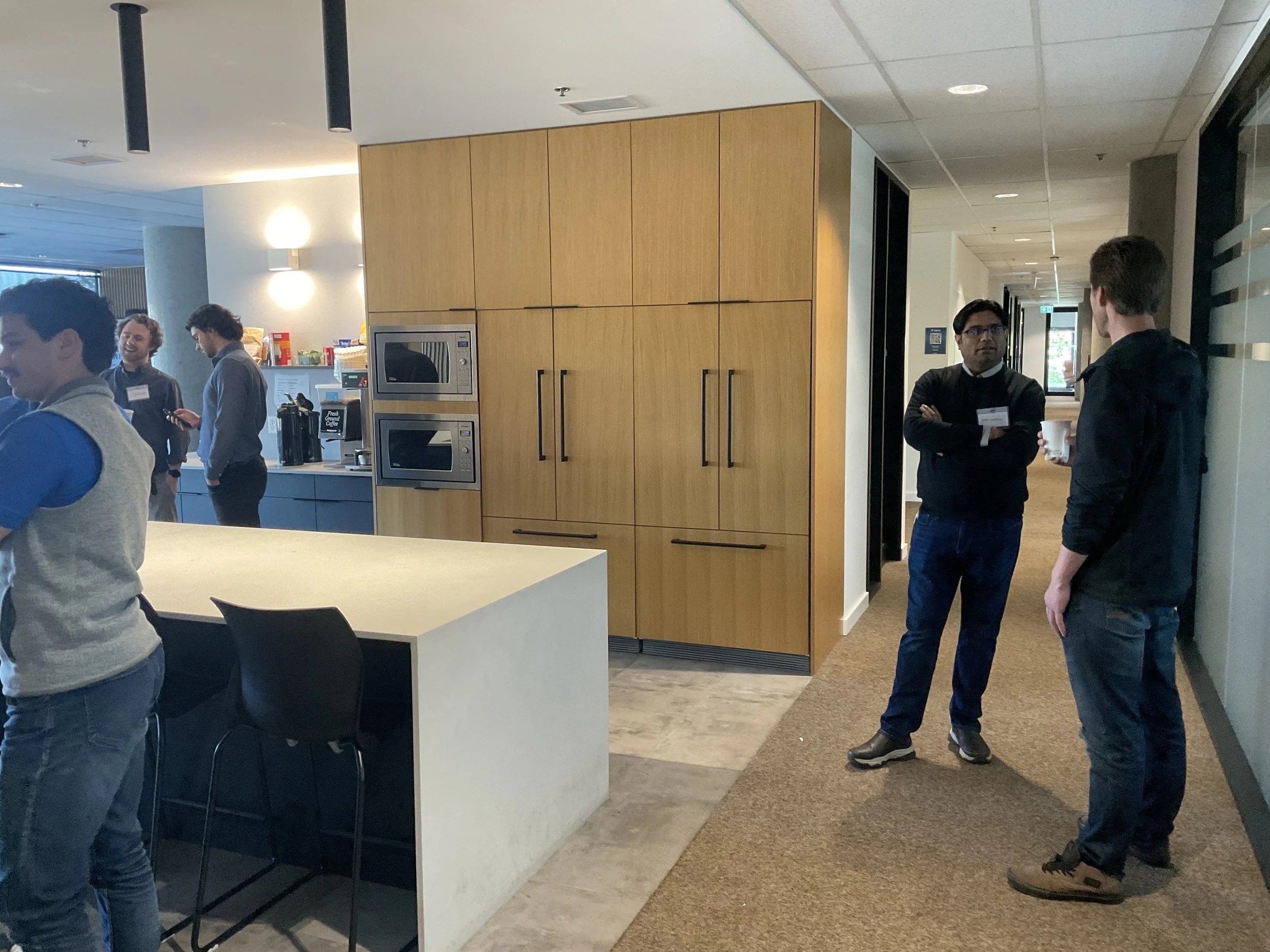
Morning 8:45 am to 11:45 (40 Spots)
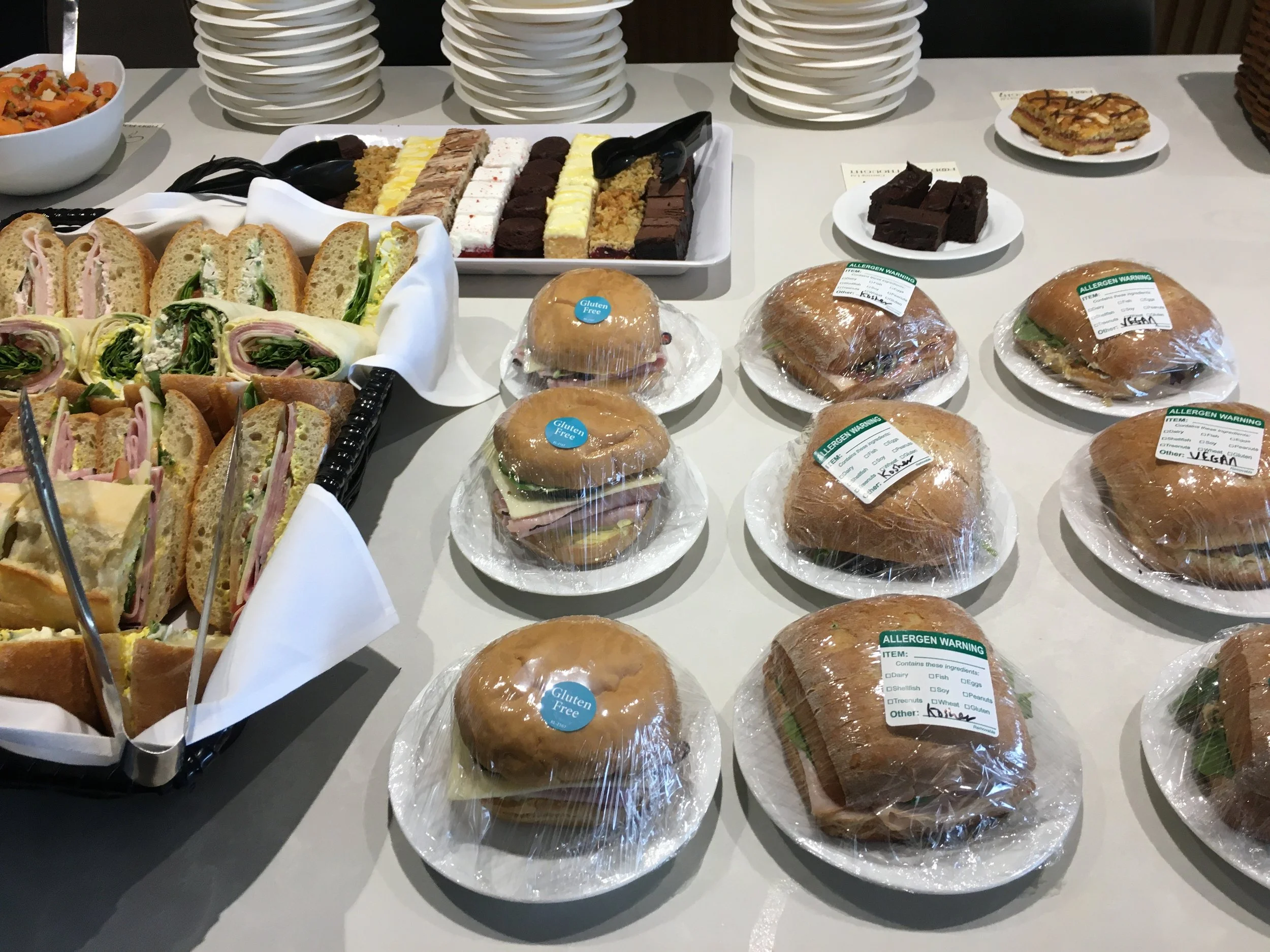
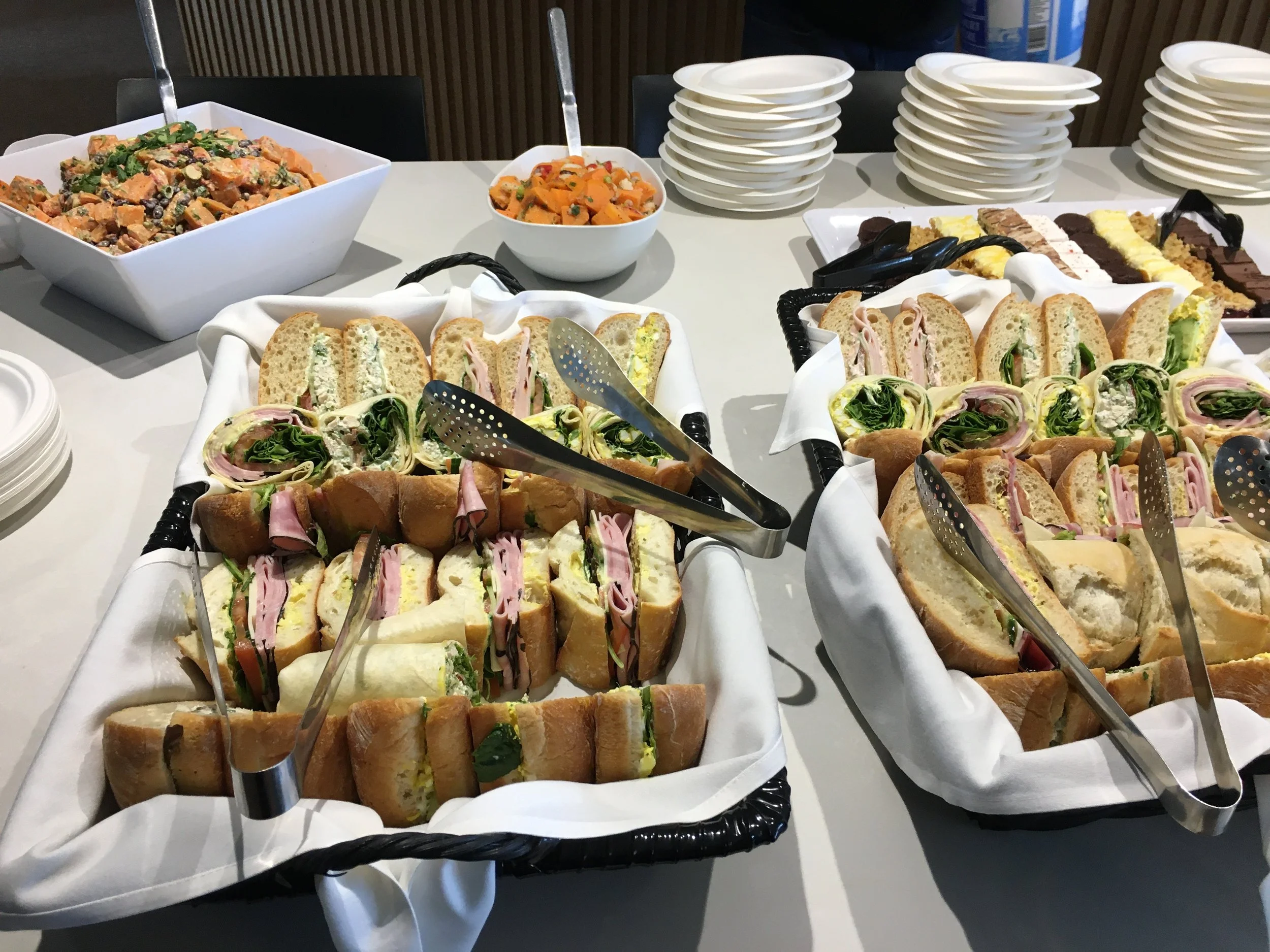
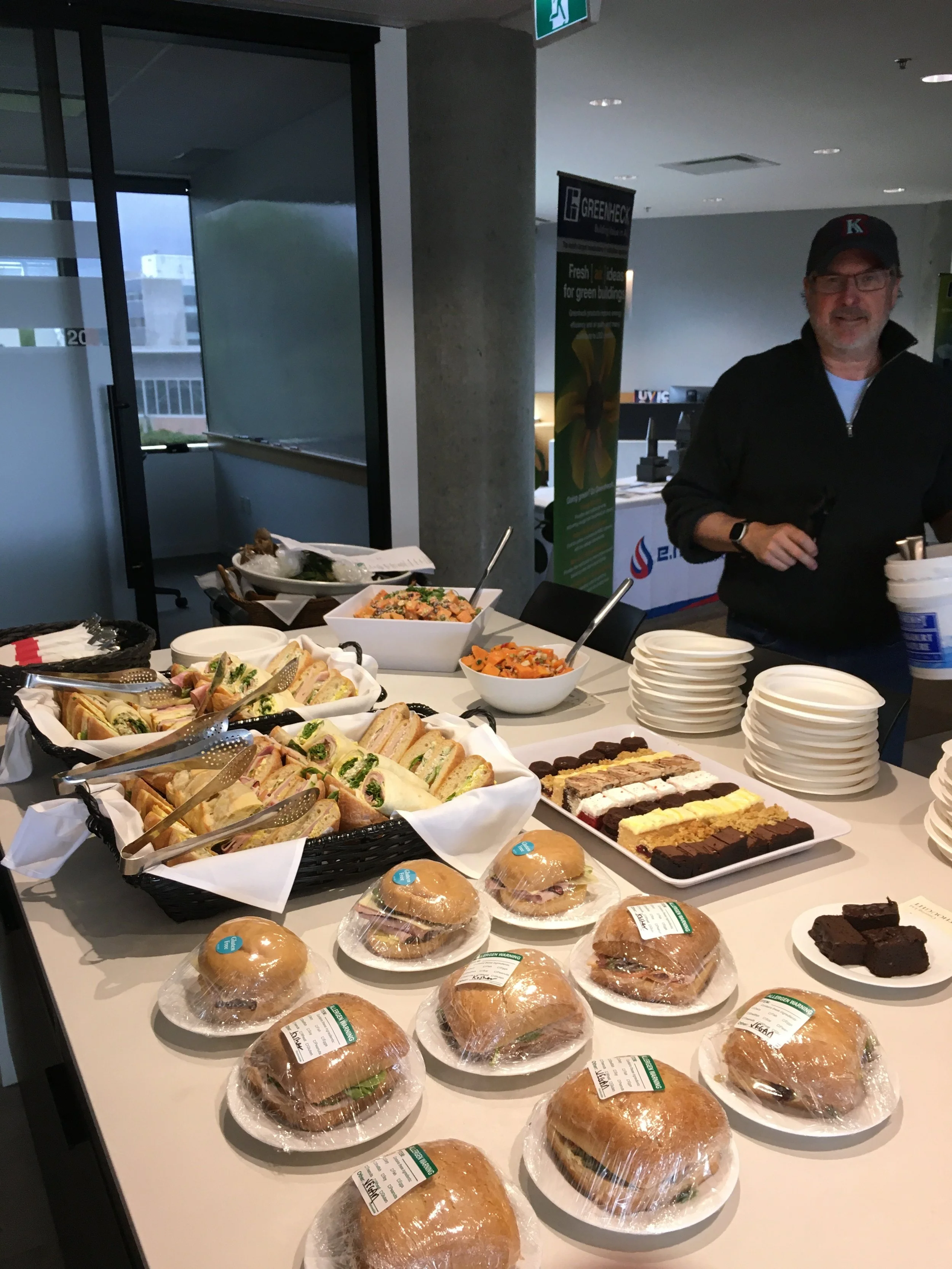
Lunch 11:45 to 1:30
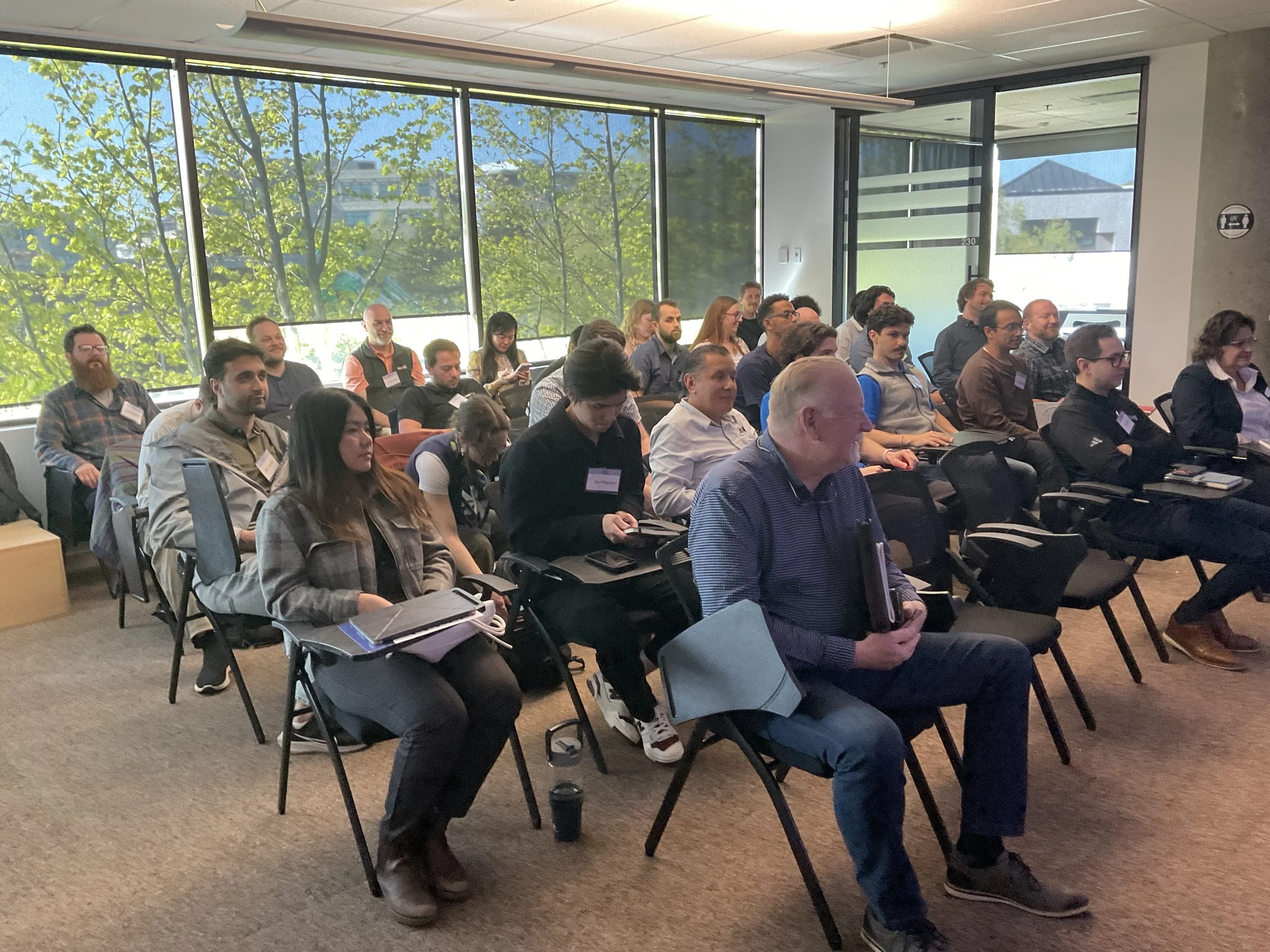
Afternoon 1:30 pm to 4:30 pm (40 Spots)
Firm Support ($2,200) (limited to 10)
5 ALI Tickets Plus 5 tickets to the April 30 ASHRAE President visit (over $2,000 value)
Instruction Material
5 Lunch vouchers
5 CTTC Event Tickets ($200 value)
RP Donation ($500 value)
VI Scholarship Donation ($500 value)
Total value ($3,200)
Small Group Support ($1,400) (limited to 5)
3 ALI Tickets Plus 3 tickets to the April 30 ASHRAE President visit (over $1,200 value)
Instruction Material
3 Lunch vouchers
3 CTTC Event Tickets ($120 value)
RP Donation ($200 value)
VI Scholarship Donation ($200 value)
Total value ($1,720)
Individual ticket ($400) (unlimited)
1 ALI Ticket Plus a ticket to the April 30 ASHRAE President visit
Instruction Material
1 Lunch Voucher
Sponsorship Opportunities
Prime Sponsor ($3,000) (3 available):
Small tabletop location at lunch
2 ALI event tickets: Plus 2 April 30 ASHRAE President Meeting (can be shared with your clients)
4 Lunch vouchers (2 for you and 2 for your clients)
Website recognition
15 Minute speaking opportunity at lunch
Loyal Sponsor ($1,500) (6 available):
ALI 1 event ticket: Plus an April 30 ASHRAE President Meeting (you can share with our client)
2 Lunch vouchers 1 for you and 1 for your client)
Website recognition
Event recognition
Base Sponsor ($1,000) (no limit):
Website recognition
Event recognition
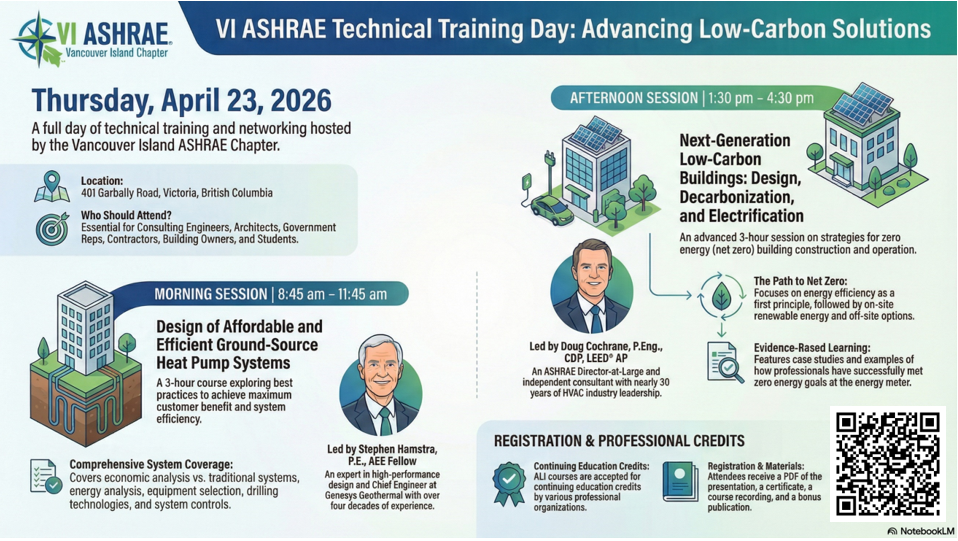
Click on Image to Get a PDF Poster yo can Share and Print

ALI Instructor
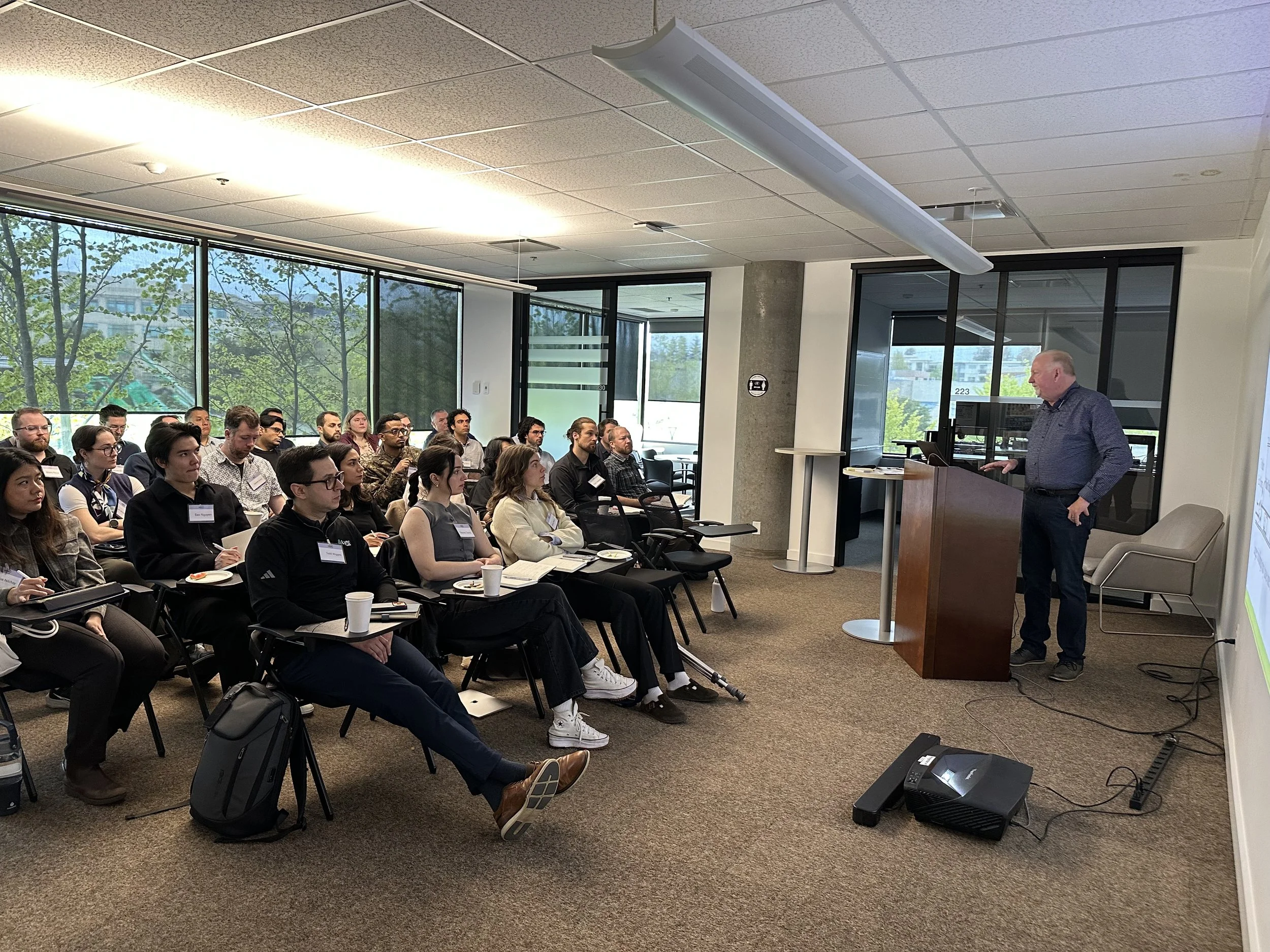
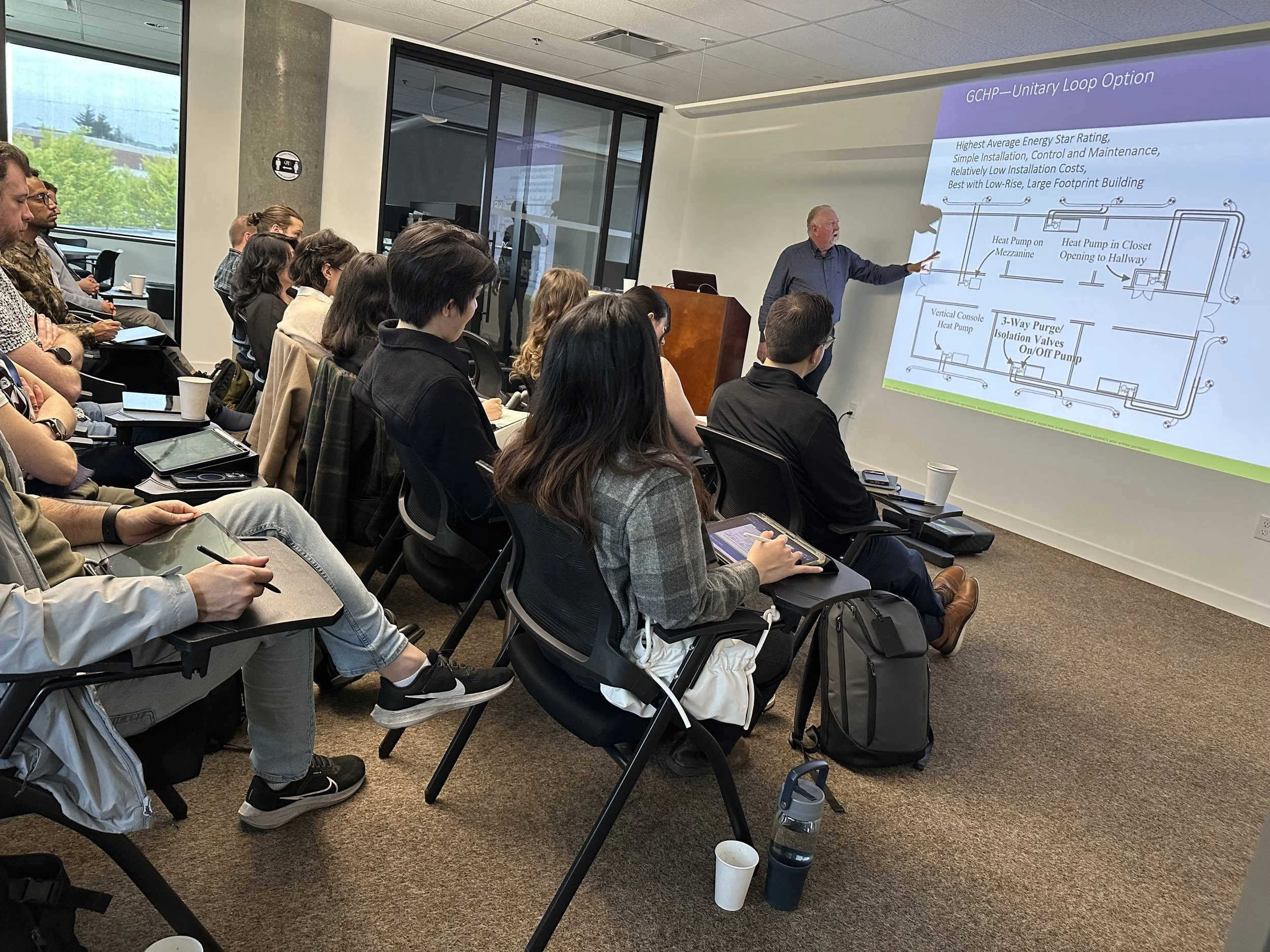
Morning 8:45 to 11:45 am
Stephen Hamstra, P.E., AEE Fellow:
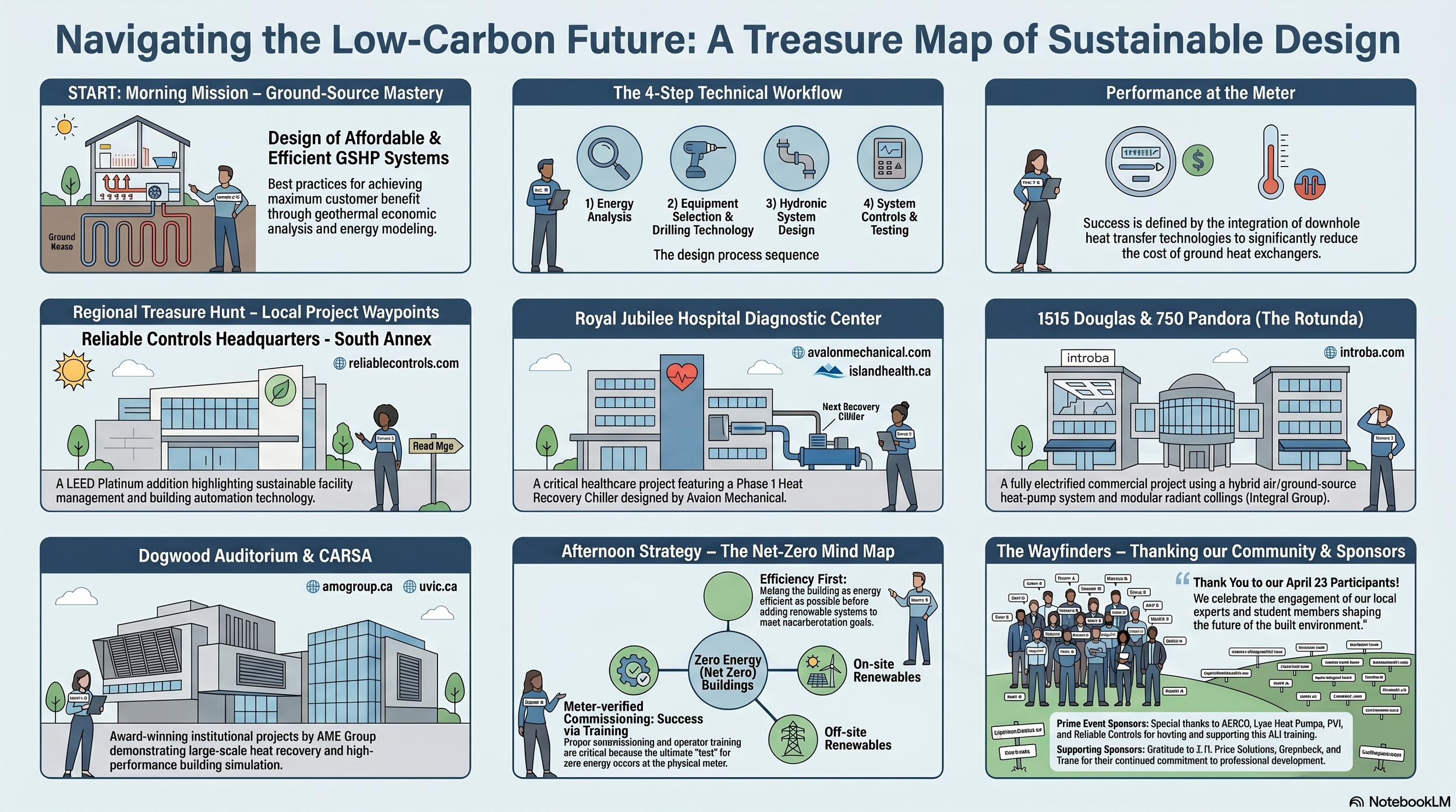
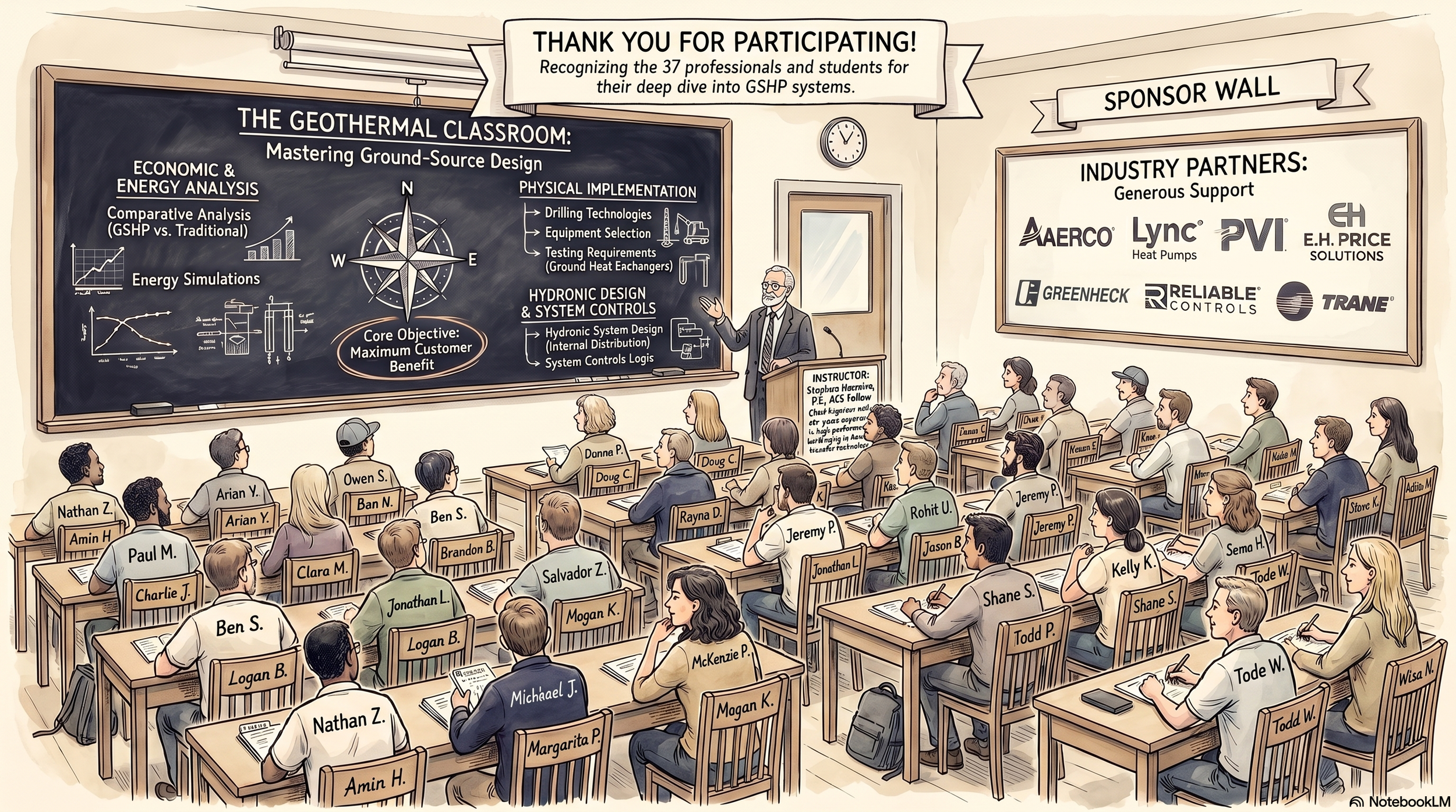
Design of Affordable and Efficient Ground-Source Heat Pump Systems
Course Length: 3 hours
This course describes the best design practices of ground source heat pump systems to achieve maximum customer benefit. The course examines the economic analysis of ground source vs. more traditional systems and what is necessary to design an effective and efficient ground source system. The course covers energy analysis, equipment selection, drilling technologies, testing requirements, hydronic system design and system controls. Participants will learn all that is necessary for the design and installation of a successful ground source heat pump system.
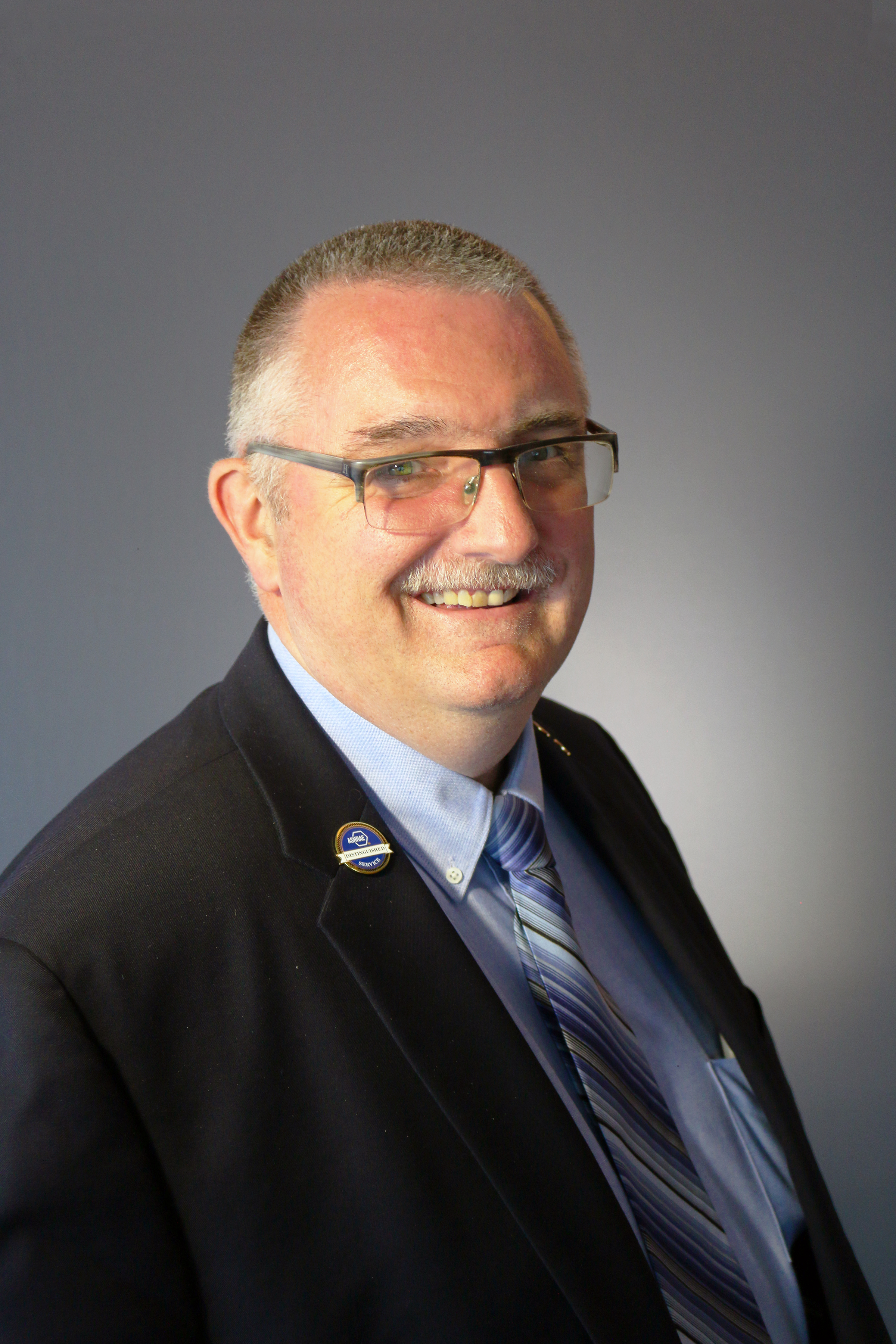
ALI Instructor
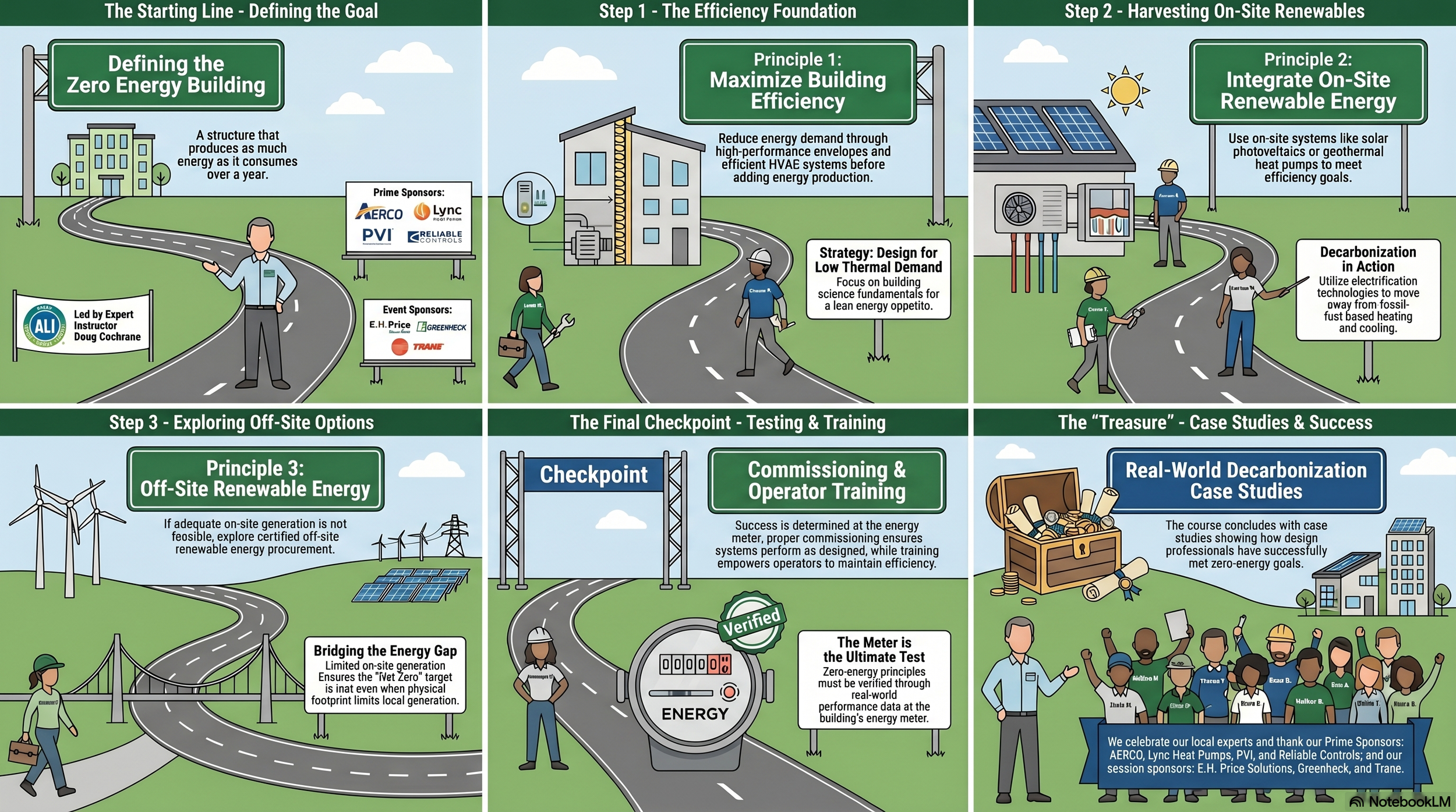
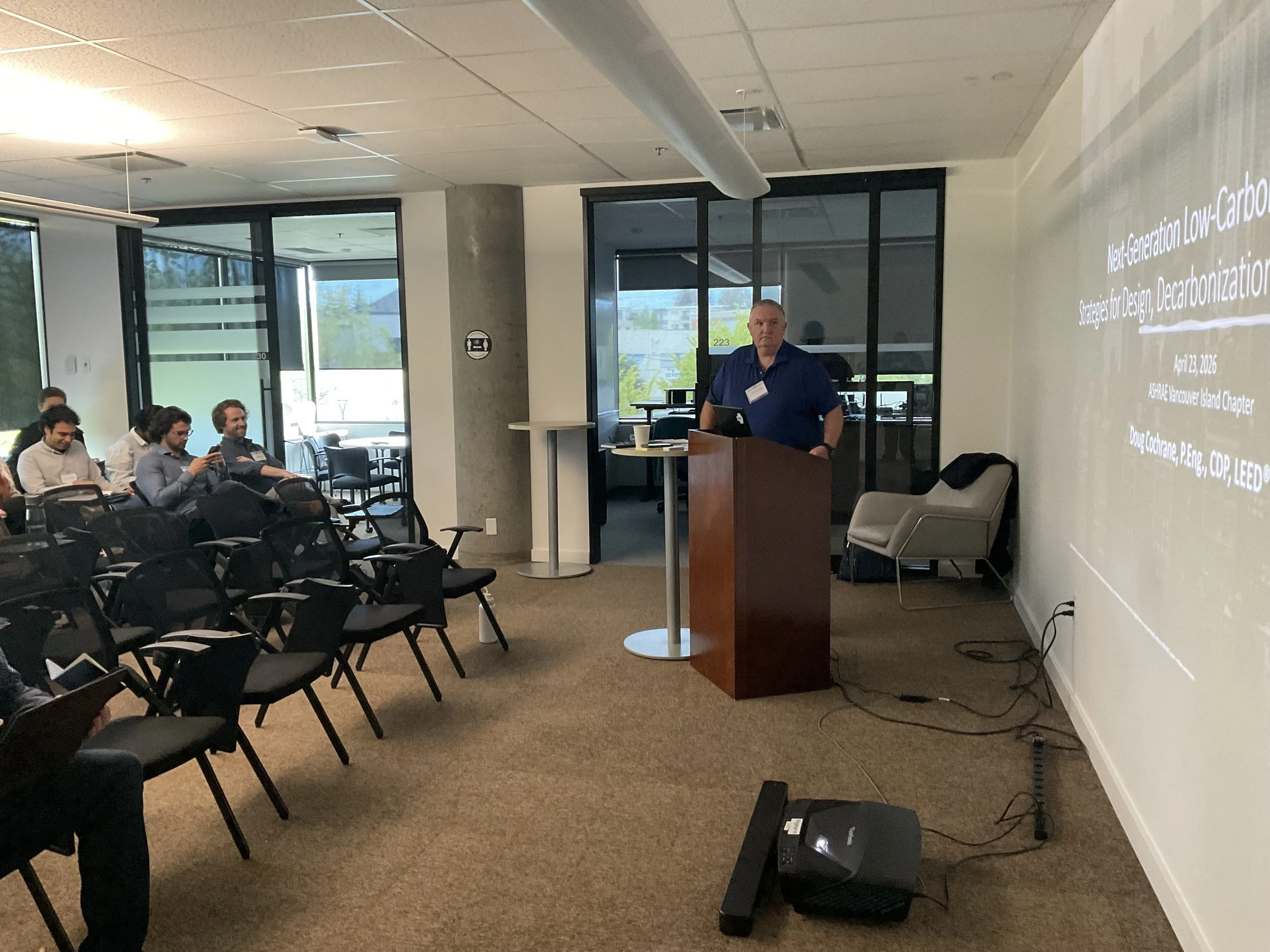
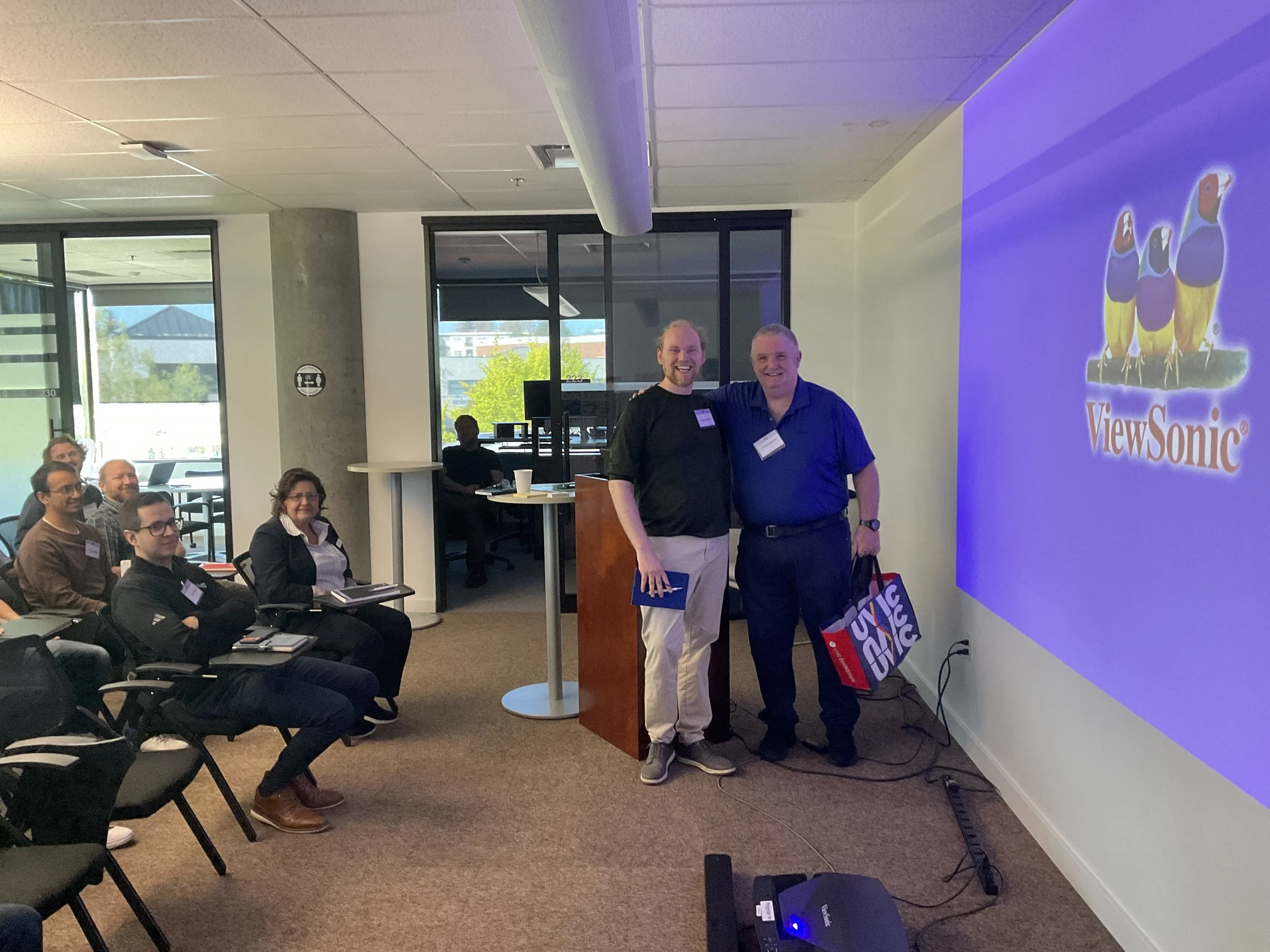
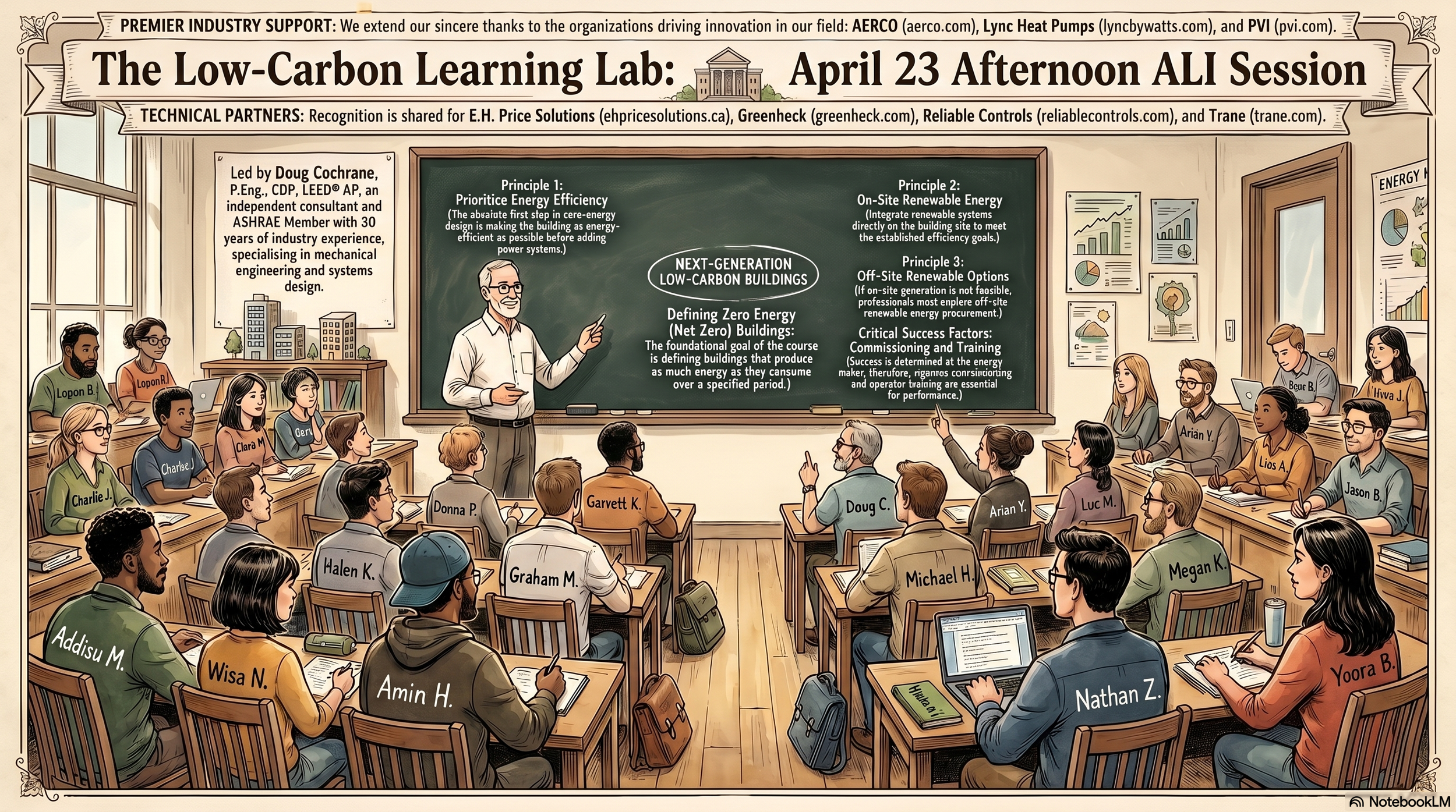
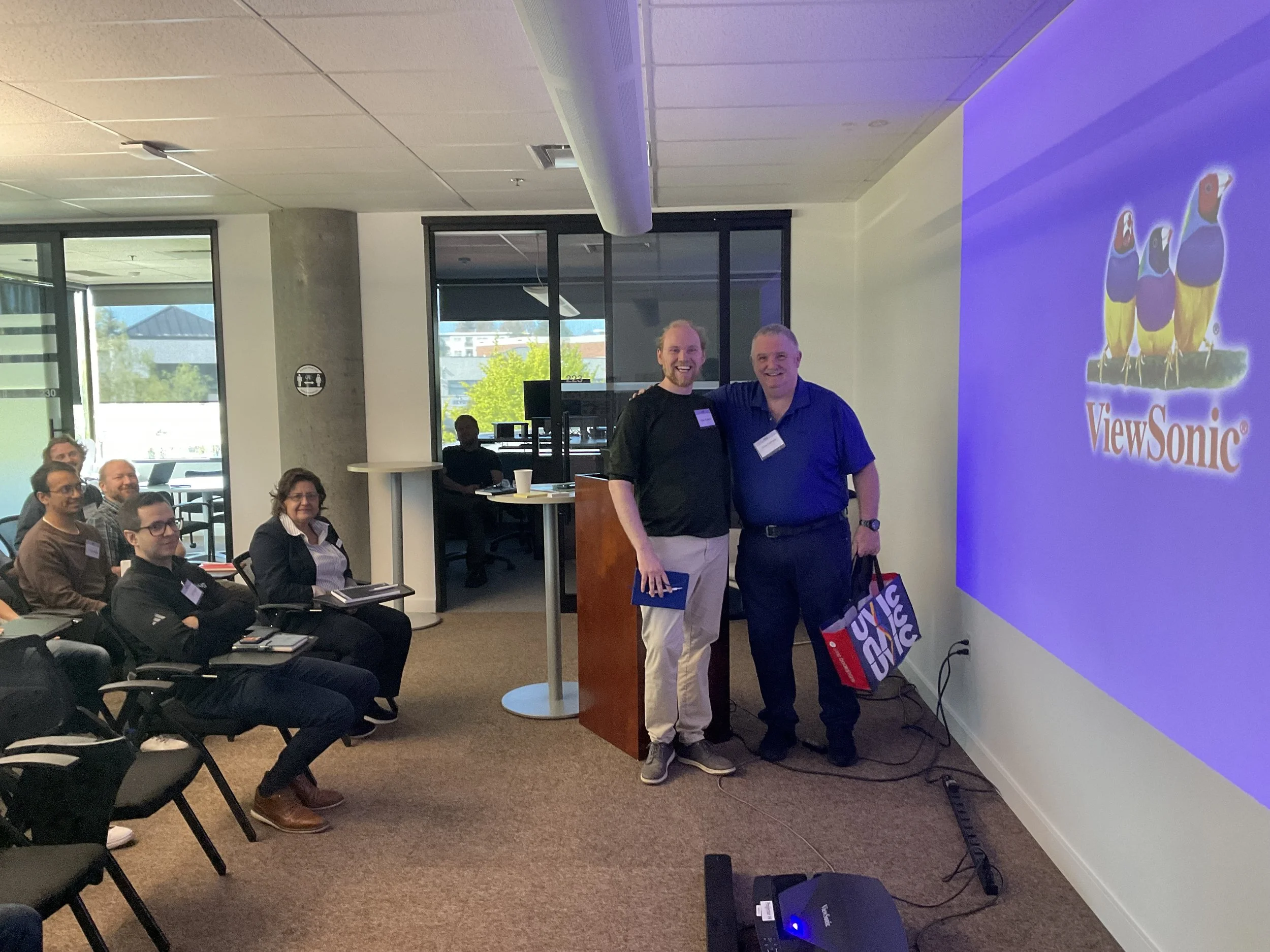
Afternoon 1:30 to 4:30
Doug Cochrane, P.Eng., CDP, Member ASHRAE, LEED® AP
Course Length: 3 hours
This advanced course is for professional engineers and architects who want to expand their practice to include the design, construction, and operation of zero energy (net zero) buildings. The course will begin with a definition of such a building. The first principle of zero energy design is to make the building as energy efficient as possible. On-site renewable energy systems will then be added to achieve these efficiency goals. If adequate on-site zero energy is not feasible, then options for off-site renewable energy should be explored. The test for zero energy is at the energy meter, so proper commissioning and operator training are critical to success. The zero energy principles outlined above will be presented with case studies and examples showing how other design professionals have met the zero energy goal.
Thanks to Sponsors
Prime Sponsors







Loyal Sponsor
To get the most out of the Notebook LM Interactive Podcast, search the internet how to do that.
